Lacquer in China: A Craft That Has Flowed for Thousands of Years
China is the earliest civilization in the world to discover and use natural lacquer (天然漆). As early as the Neolithic period, lacquerware (漆器) had already appeared at cultural sites such as Kuahuqiao (跨湖橋), Hemudu (河姆渡), and Liangzhu (良渚) in present-day Zhejiang Province (浙江). Although these early lacquer objects survive only in small numbers, they clearly reveal the extraordinary difficulty and immense labor required to produce them, far beyond what their lustrous surfaces might suggest. As an ancient saying describes it, “A hundred li, a thousand knife cuts, for a single jin of lacquer” (百里千刀一斤漆). The lacquer used for a single finely crafted object demanded countless cycles of scraping, coating, drying, and polishing, testifying to the time-consuming and labor-intensive nature of this craft.
With the emergence of dynastic history, Chinese lacquer techniques continued to evolve and mature, yet the complexity of production and intensity of labor never diminished. According to the Kaogong ji (《考工记》, Artificers’ Record), every lacquer object followed a strictly regulated process: wood had to be seasoned for three years to remove moisture; each stage of production was handled by specialised artisans; a single cup of lacquer could require the efforts of a hundred people (一杯棬用百人之力), while a folding screen might demand tens of thousands of labor-days (一屏风就万人之功). For this reason, the value of Chinese lacquerware lies not only in its visual beauty, but also in the immense investment of time, skill, and collective human effort embedded within each piece, often exceeding even that of bronze casting.
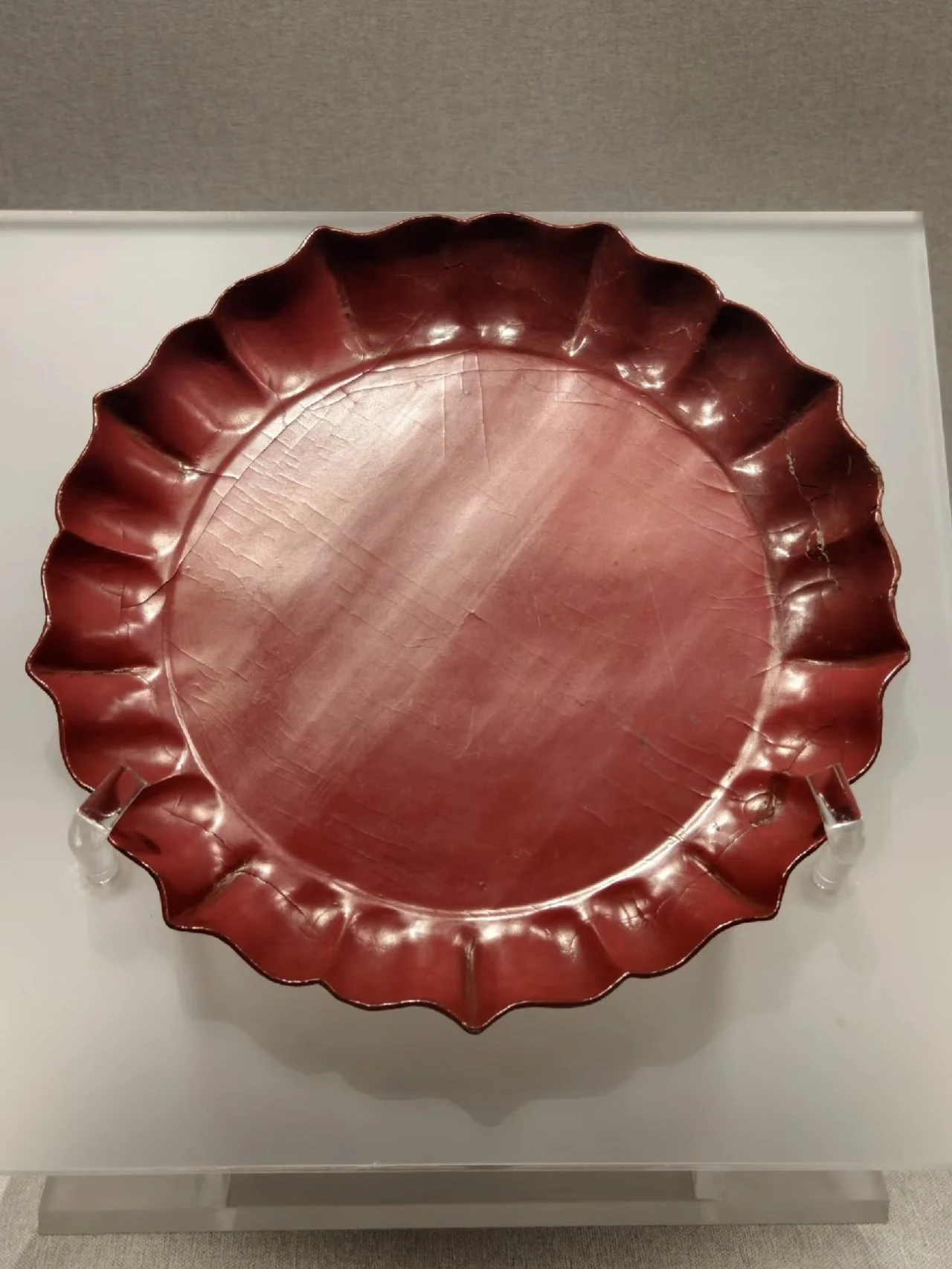
Monochrome Lacquer - Song–Yuan Dynasty Red Lacquer Diamond-Shaped Dish
Finished with a single color of lacquer and no decorative patterns, monochrome lacquer represents the earliest form of lacquer craftsmanship. Its minimalist beauty is expressed through refined form and the soft, lustrous texture of the lacquer surface.
From the Warring States period (战国) through the Qin and Han dynasties (秦汉), Chu and Han lacquerware (楚汉漆器) was celebrated for its imaginative and luxurious style, with each object embodying exceptional technical rigor. By the Song and Yuan dynasties (宋元时期), lacquer art had reached full maturity, with a wide range of forms and techniques. Whether the restrained elegance of monochrome lacquer (一色漆), or the layered complexity of carved lacquer (雕漆, diaoqi), gold-painted lacquer (描金, miaojin), incised gold (戗金, qiangjin), and mother-of-pearl inlay (螺钿, luodian), every step required prolonged and meticulous labor.
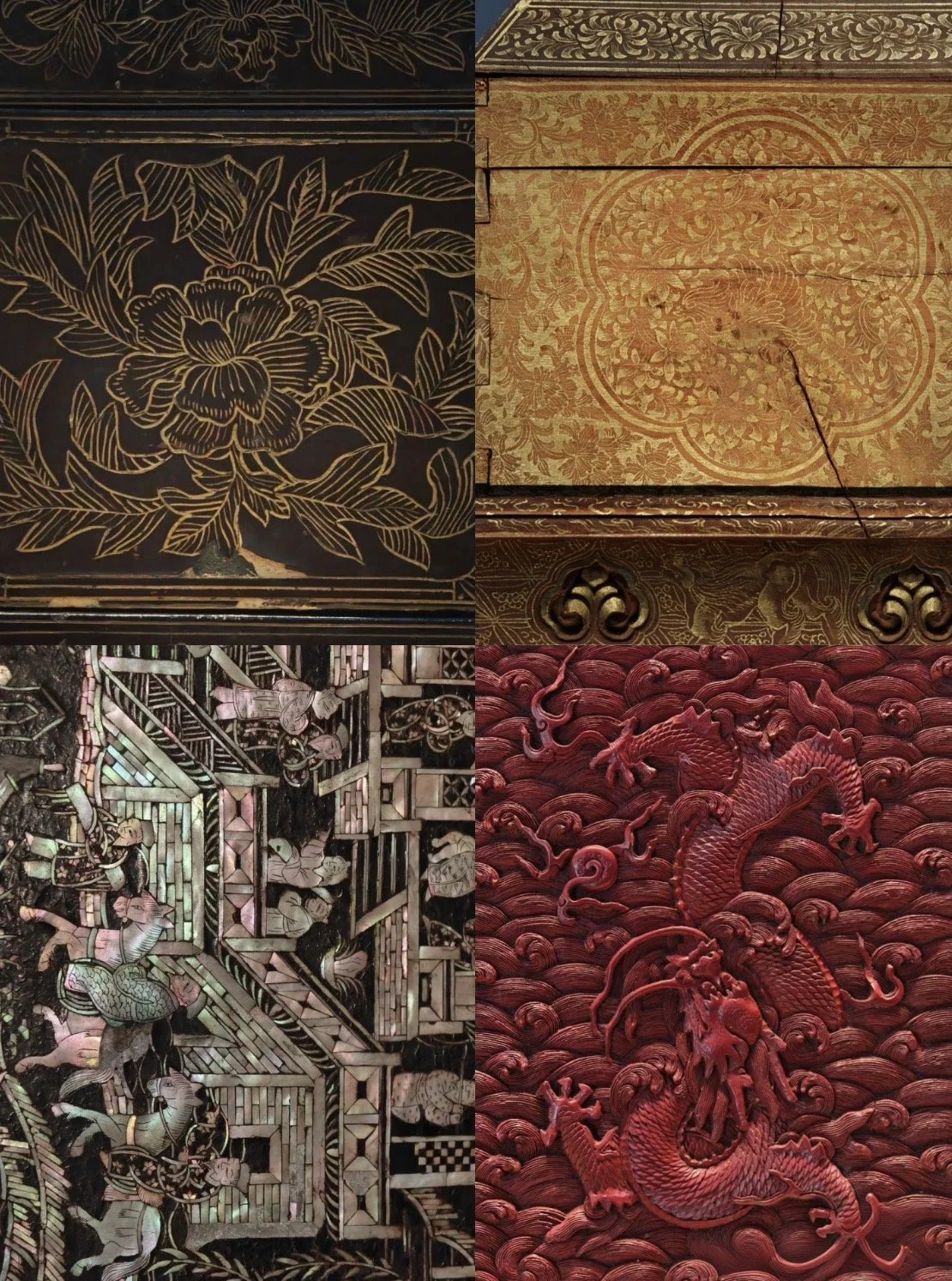
Techniques (as shown in the reference image)
• (Top left) Incised Gold (Qiangjin, 戧金)
• (Top right) Gold Painting (Miaojin, 描金)
• (Bottom left) Mother-of-Pearl Inlay (Luodian, 螺鈿)
• (Bottom right) Carved Red Lacquer (Diaohong, 雕紅)
Yuan dynasty lacquer art (元代漆艺) further developed upon Song traditions. Hangzhou (杭州) and Jiaxing (嘉兴) emerged as major centers of lacquer production, with Xitang (西塘) in Jiaxing particularly renowned for producing master lacquer artisans. Zhang Cheng (张成) and Yang Mao (杨茂) were celebrated for their carved lacquer (雕漆) works, while Peng Junbao (彭君宝) excelled in incised gold and silver techniques (戗金、戗银). Their works not only established the Yuan dynasty’s important position in the history of Chinese lacquer, but also set enduring standards that laid the foundation for the flourishing court lacquer (宫廷漆艺) of the Ming and Qing dynasties (明清).
It is precisely because of the extreme difficulty of its making that Chinese lacquerware has always been so highly prized. Cherished within China, it was also widely transmitted overseas. Only in modern times, through the combined efforts of collectors and museums, have these lacquer masterpieces, each embodying centuries of accumulated labor, returned to public view.
Having the opportunity to view the collection of ancient Chinese lacquerware donated by Mr. and Mrs. Cao Qiyong (曹其镛夫妇) of Hong Kong to the Zhejiang Provincial Museum (浙江省博物馆) offers a deeply moving experience. It underscores that every lacquer object is a crystallization of time, patience, and human endeavour, and an ultimate expression of the Chinese understanding of beauty, craftsmanship, and the enduring spirit of making.
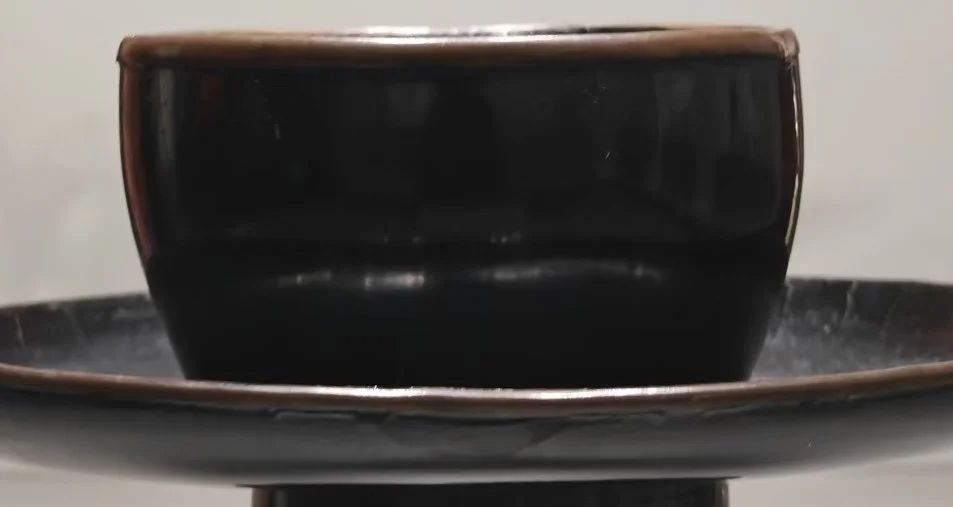
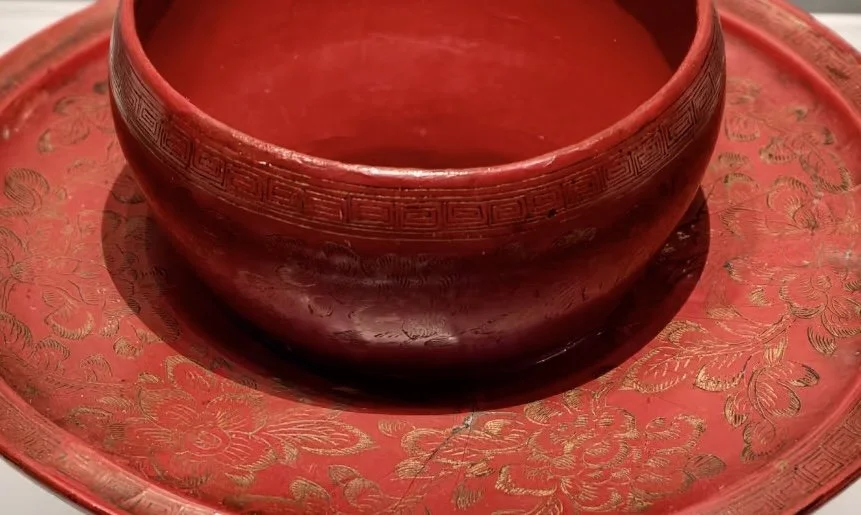
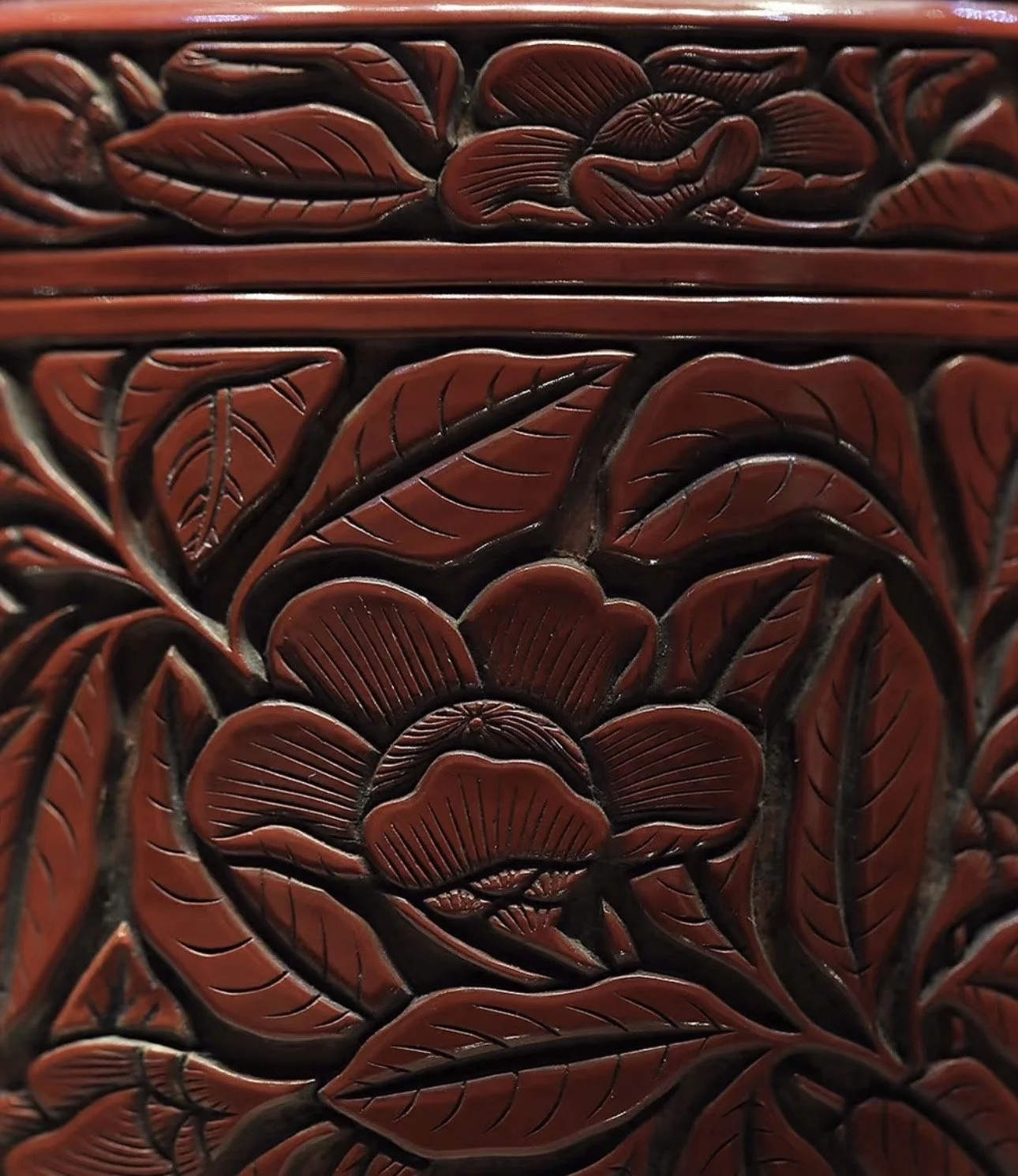
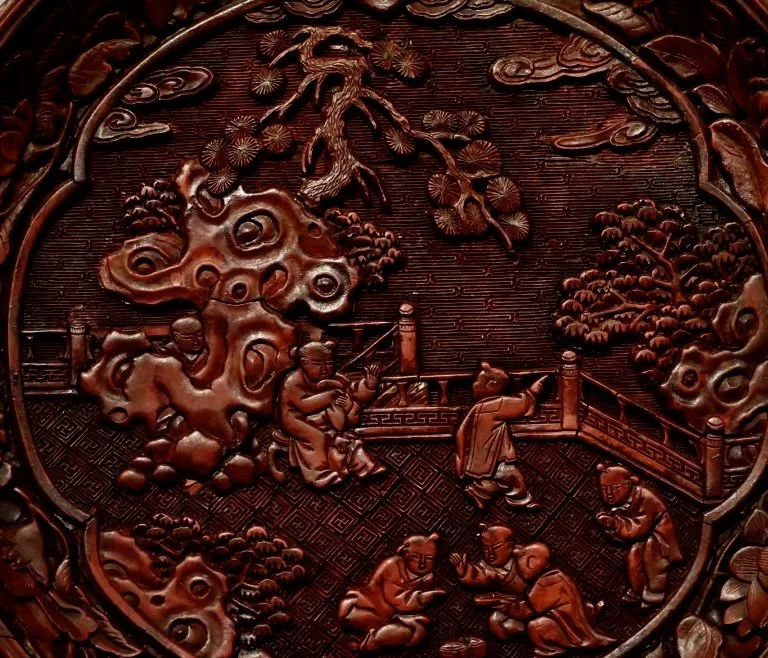
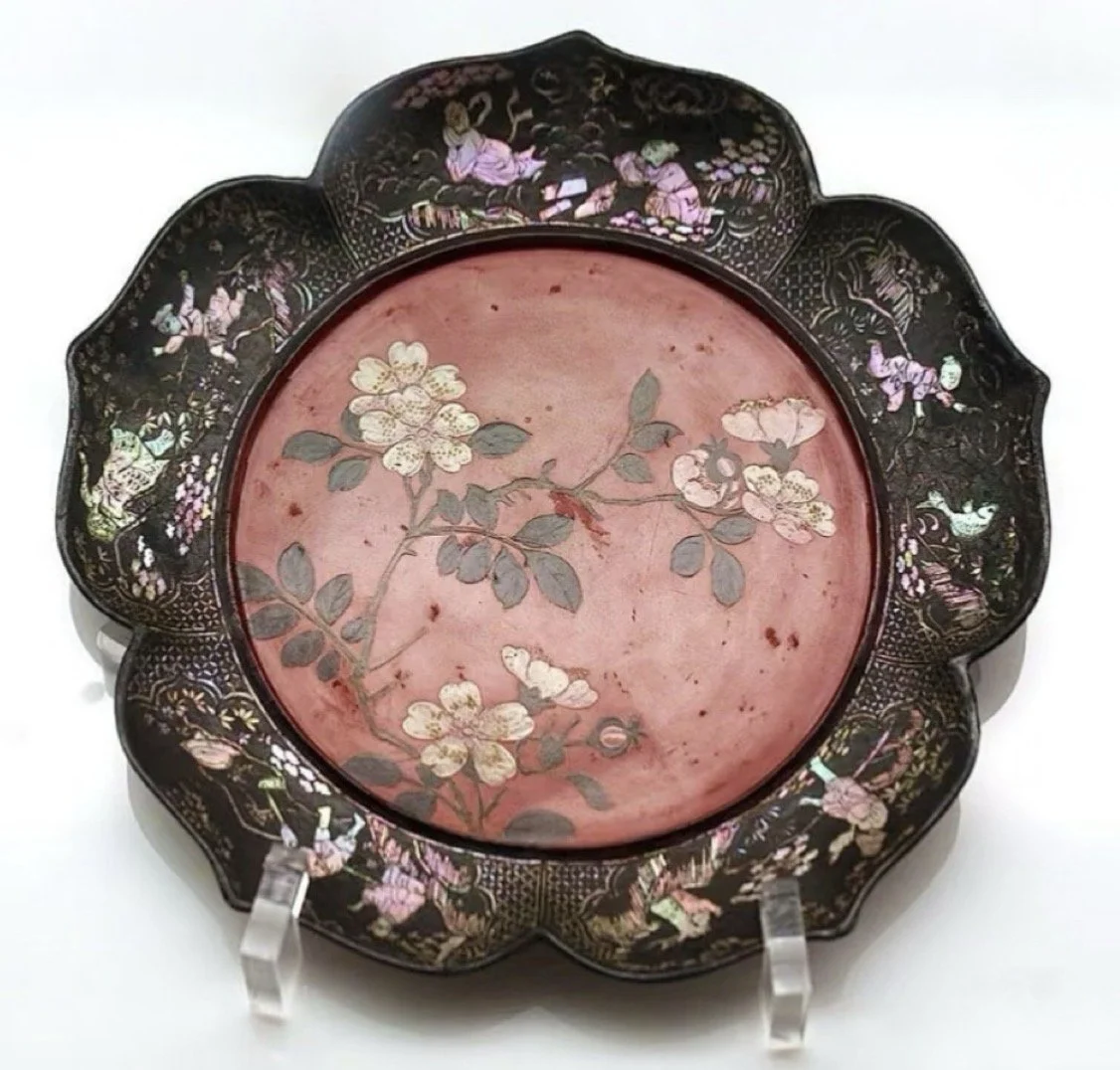
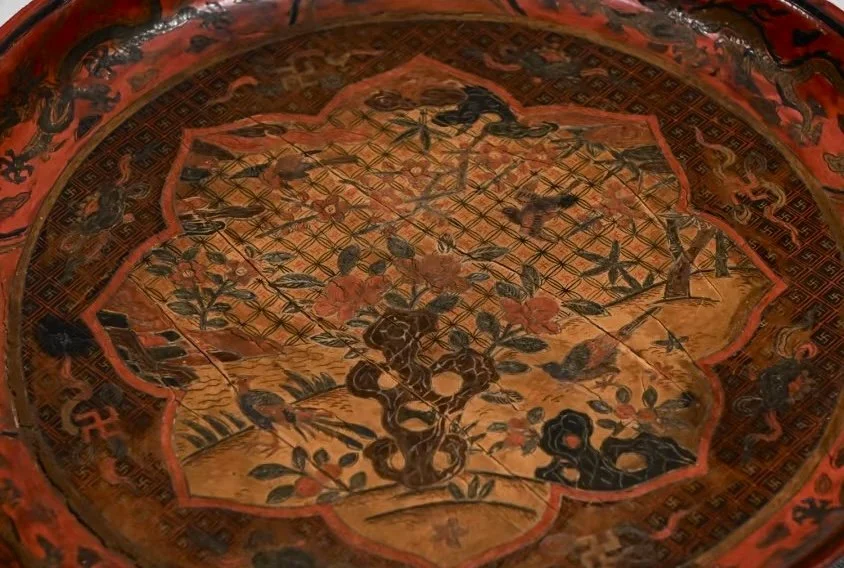
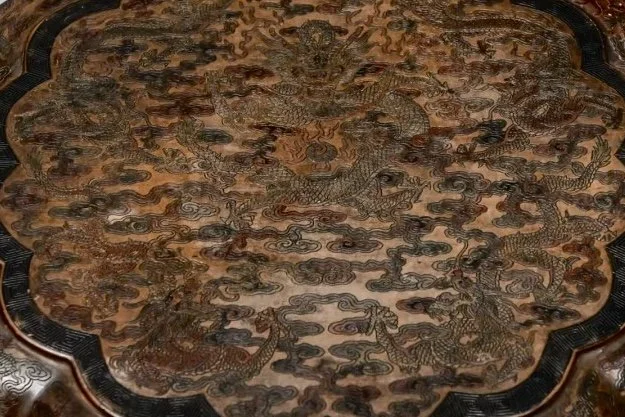
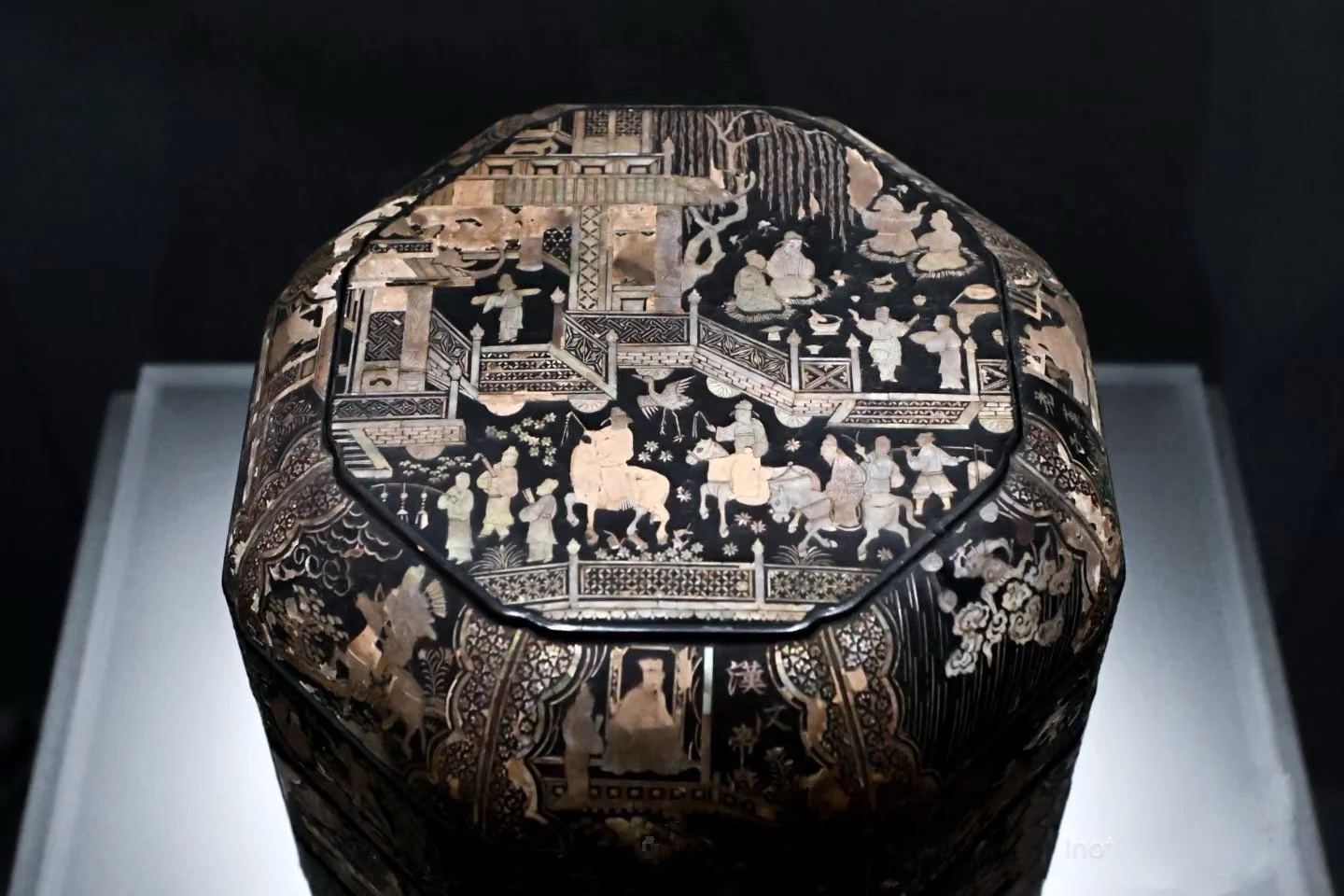
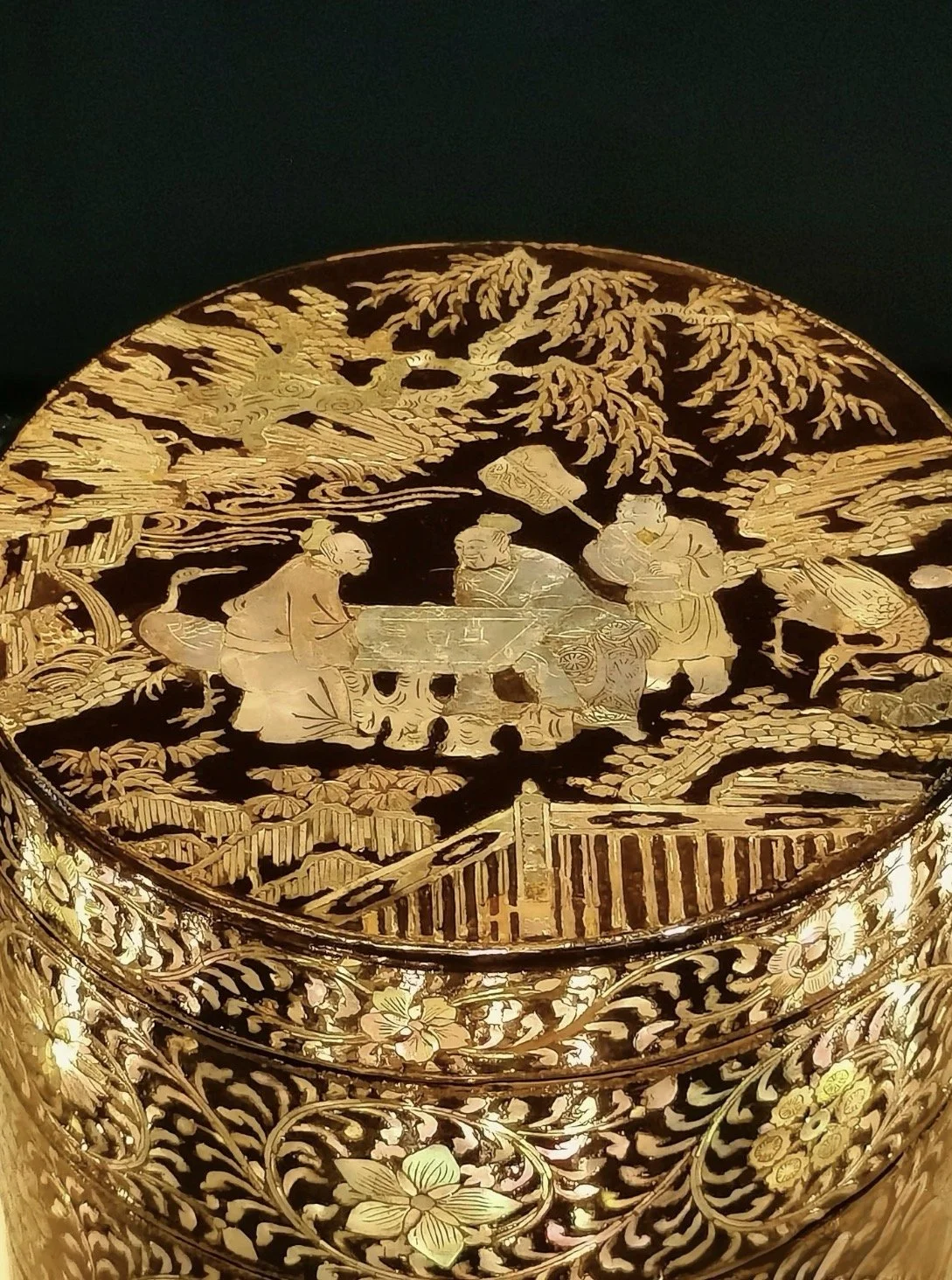
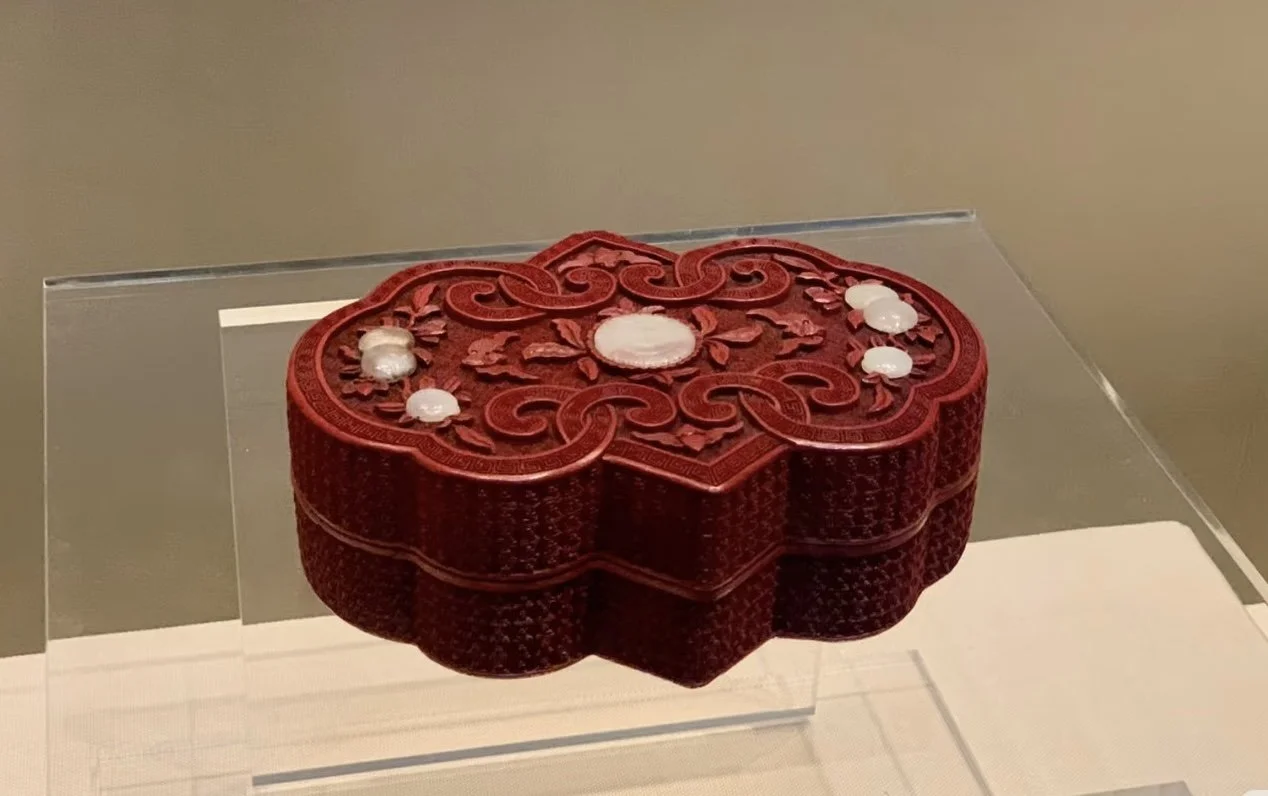
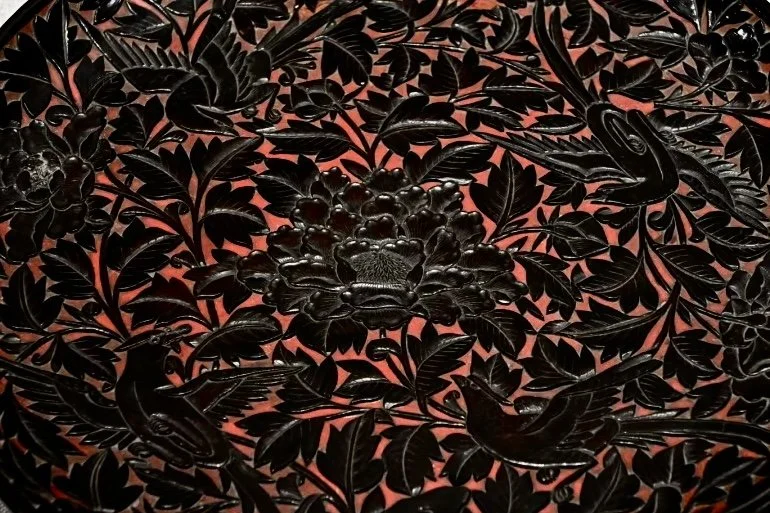
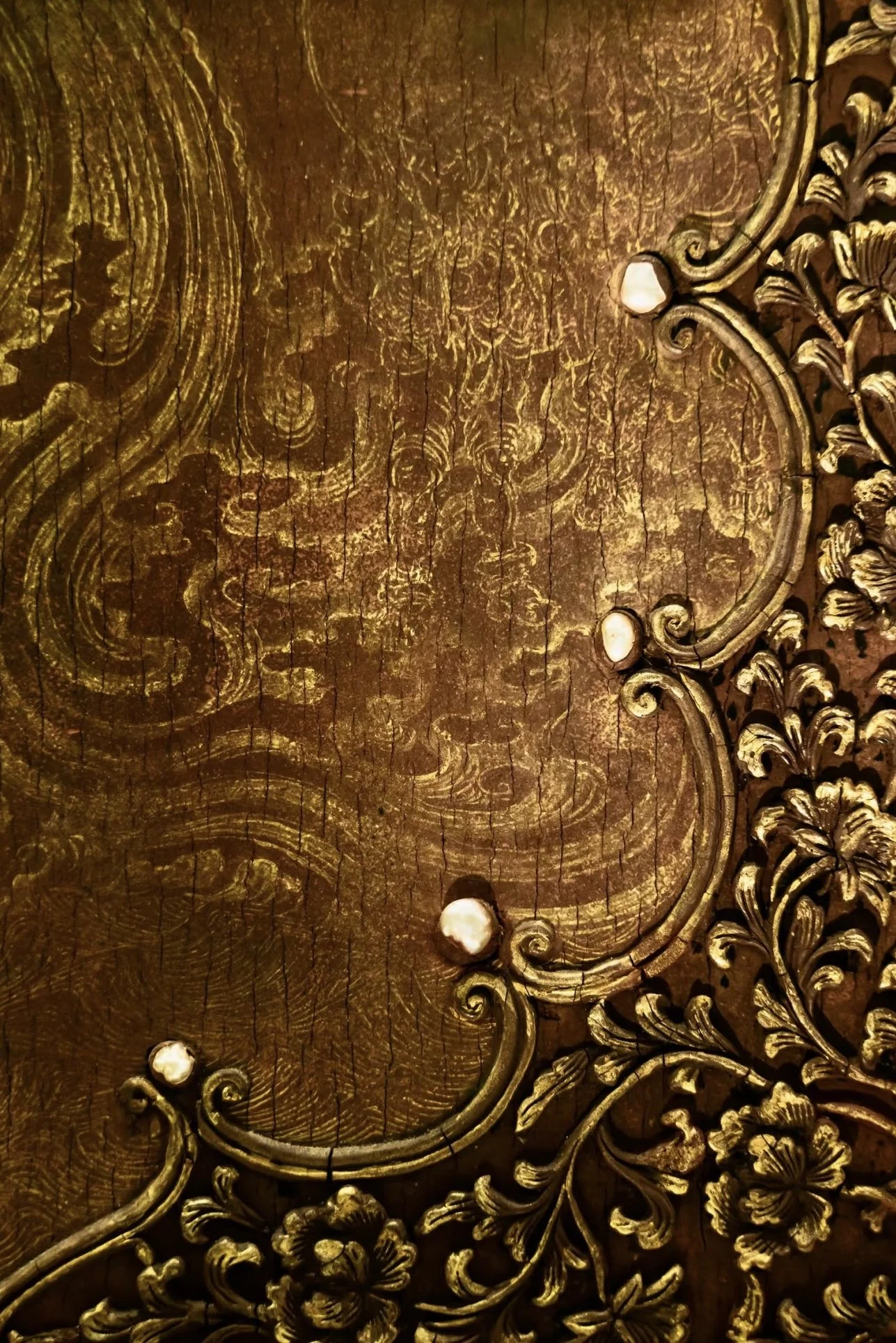
(1) Black Lacquer Cup Stand
Song–Yuan Dynasty
宋元 黑漆盞托
(2) Red Lacquer Incised Gold Floral Cup Stand
Yuan Dynasty
元 朱漆戧金花卉紋盞托
(3) Carved Red Lacquer Oval Box with “Phoenix among Peonies” Design
Song–Yuan Dynasty
宋元 剔紅鳳穿牡丹紋橢圓盒
(4) Carved Red Lacquer Dish with “Children at Play” Design, Inscribed “Made by Zhang Cheng”
Yuan Dynasty
元「张成造」剔红婴戏图盘
(5) Black Lacquer Lotus-Petal-Shaped Dish with Mother-of-Pearl Inlay and Polychrome Decoration
Yuan Dynasty
元 黑漆螺鈿彩繪蓮瓣形盤
(6) Carved and Filled Lacquer Dish with Incised Gold Dragon and Phoenix Design
Ming Dynasty, Wanli Reign (1573–1620)
明 萬曆 雕填戧金龍鳳紋盤
(7) Filled Lacquer Box with Incised Gold Cloud and Dragon Design
Ming Dynasty, Wanli Reign (1573–1620)
明 萬曆 填漆戧金雲龍紋盒
(8) Black Lacquer Octagonal Box with Mother-of-Pearl Inlay of Figural Narrative Scenes
Ming Dynasty
明 黑漆嵌螺鈿人物故事圖八方盒
(9) Black Lacquer Box with Mother-of-Pearl Inlay of Figures and Floral Motifs
Ming Dynasty
明 黑漆嵌螺鈿人物花草紋盒
(10) Carved Red Lacquer Box with Floral Design, Lobed (Mallow-Shaped) Form
Qing Dynasty
清 剔紅花卉紋葵瓣式盒
(11) Red-Ground Carved Black Lacquer Dish with Bird-and-Flower Design
Qing Dynasty
清 朱地剔黑花鳥紋盤
(12) Gilding and Raised Lacquer Decoration of a Relic Casket
Northern Song
北宋 舍利函的描金与堆漆
