 Image 1 of 5
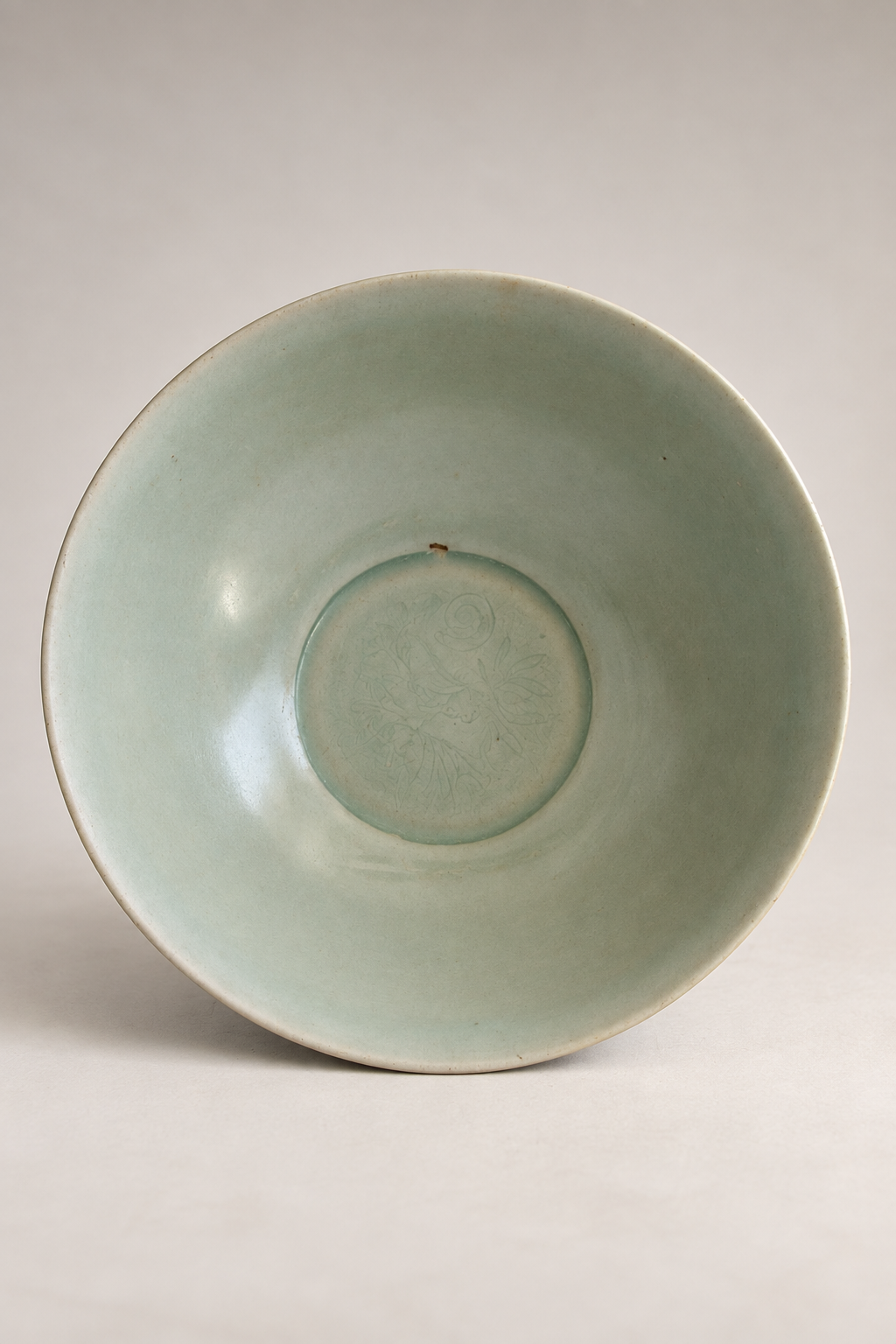 Image 2 of 5
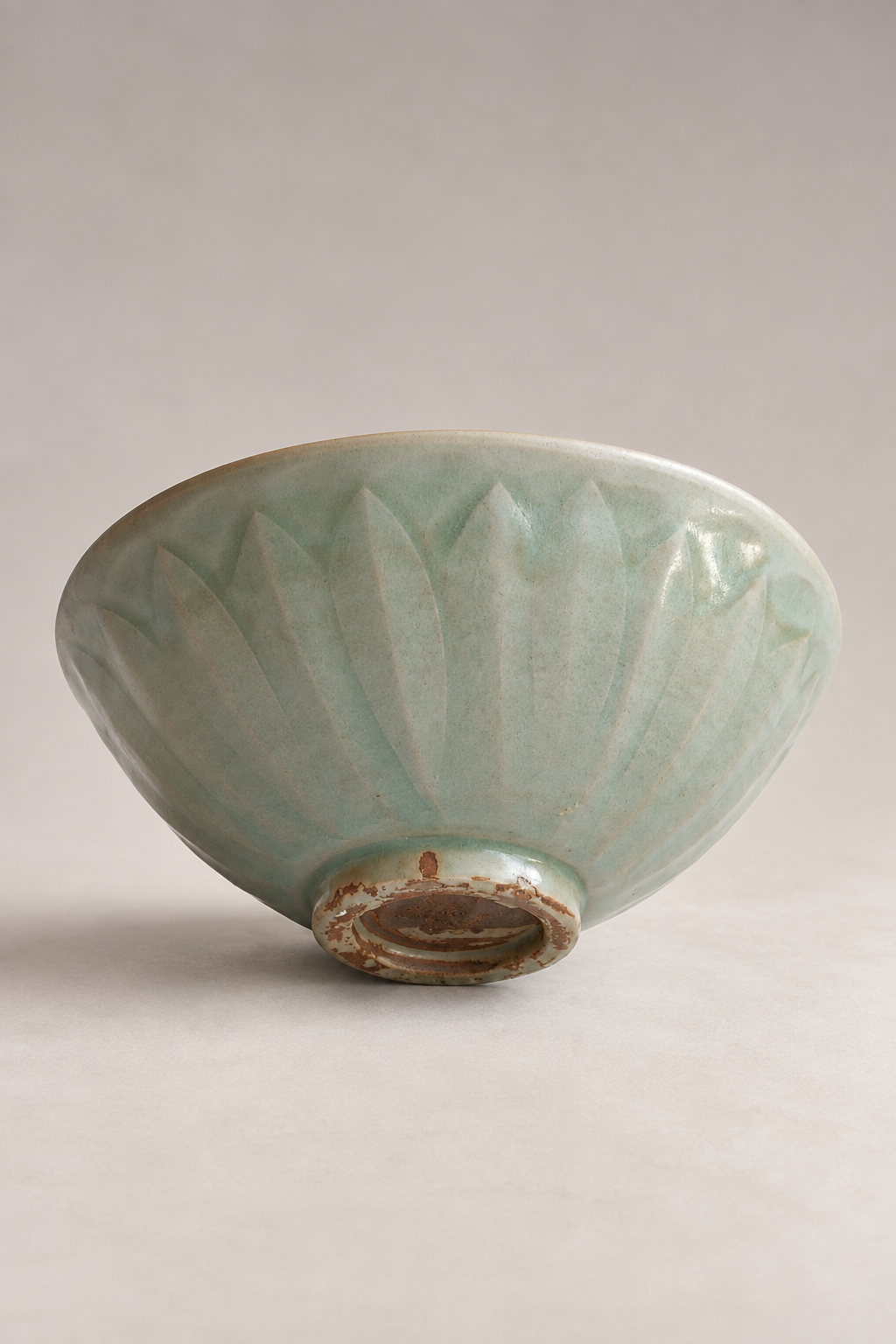 Image 3 of 5
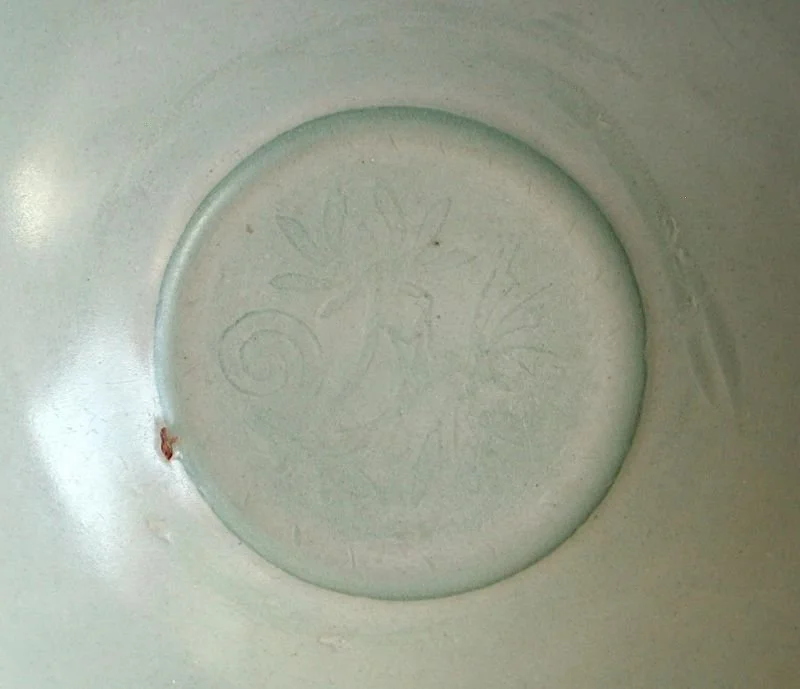 Image 4 of 5
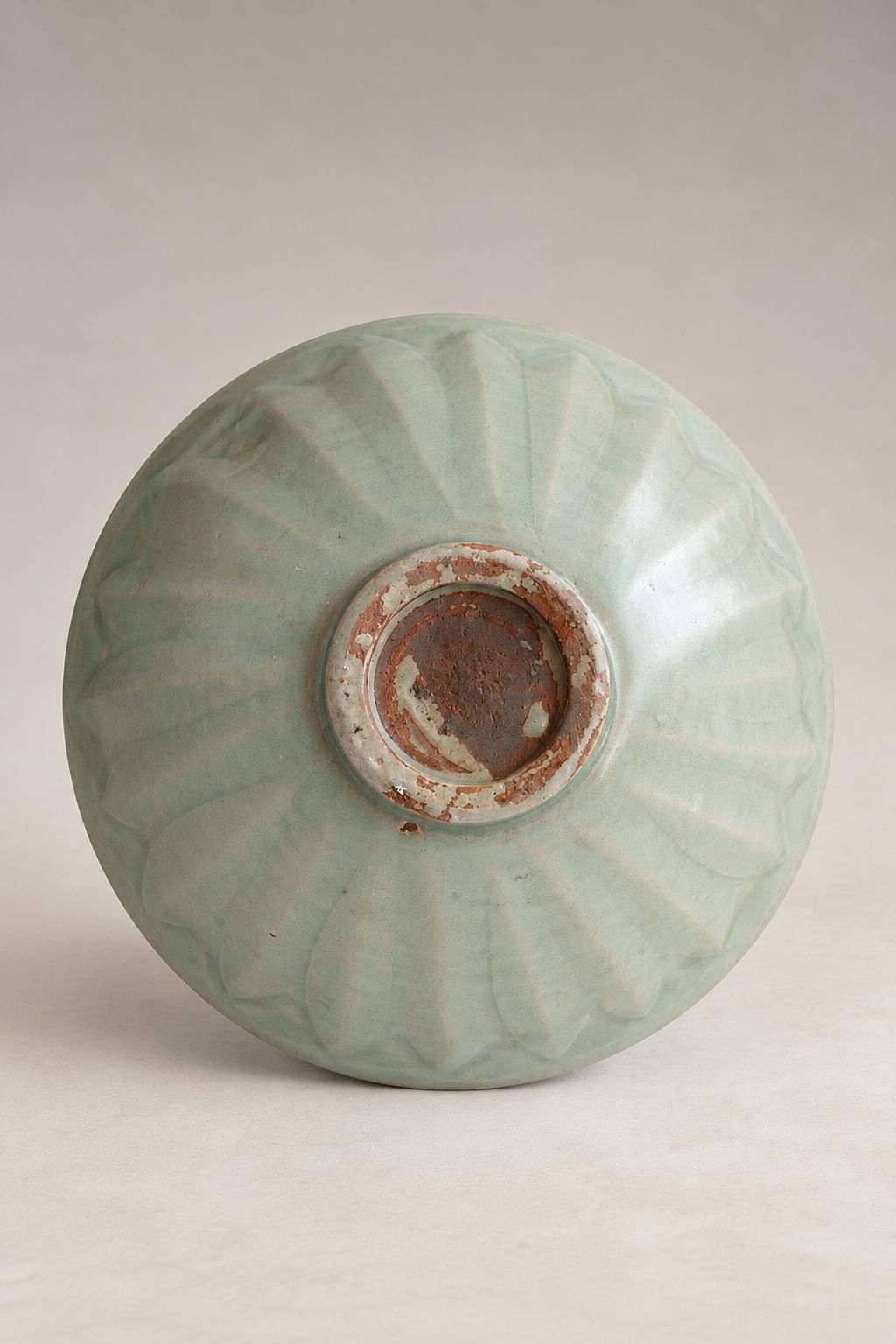 Image 5 of 5
Song–Yuan Dynasty, 13th–14th century
Diameter: 17 cm (6.5 in.)
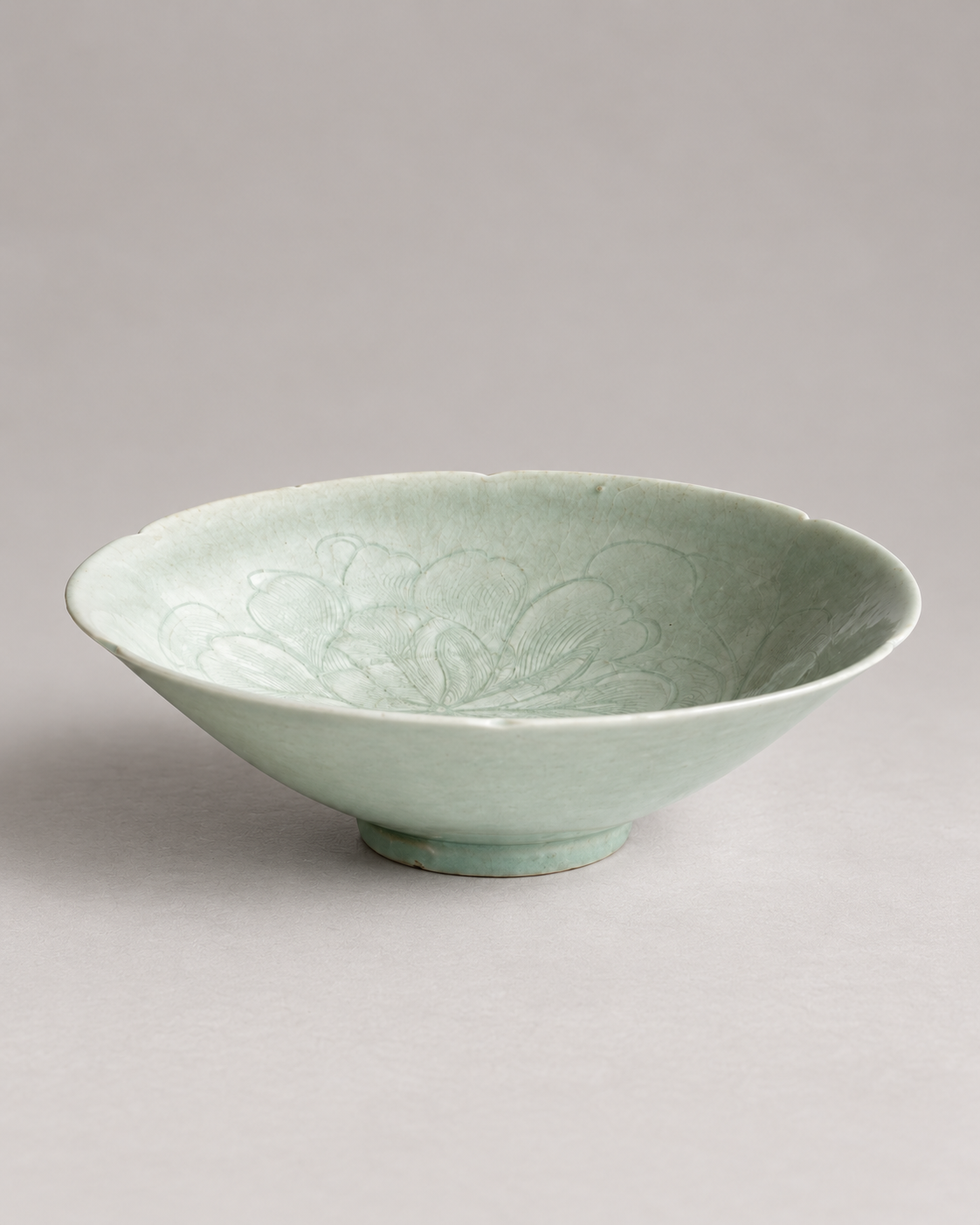
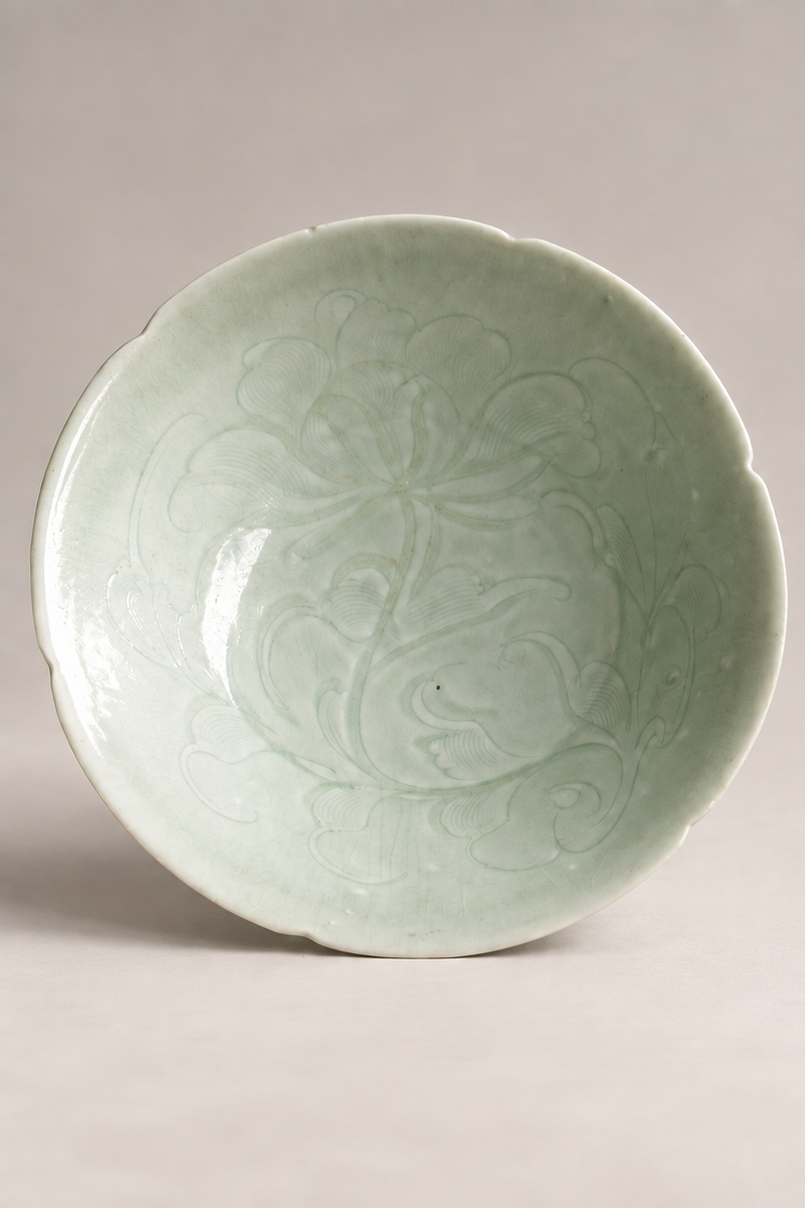
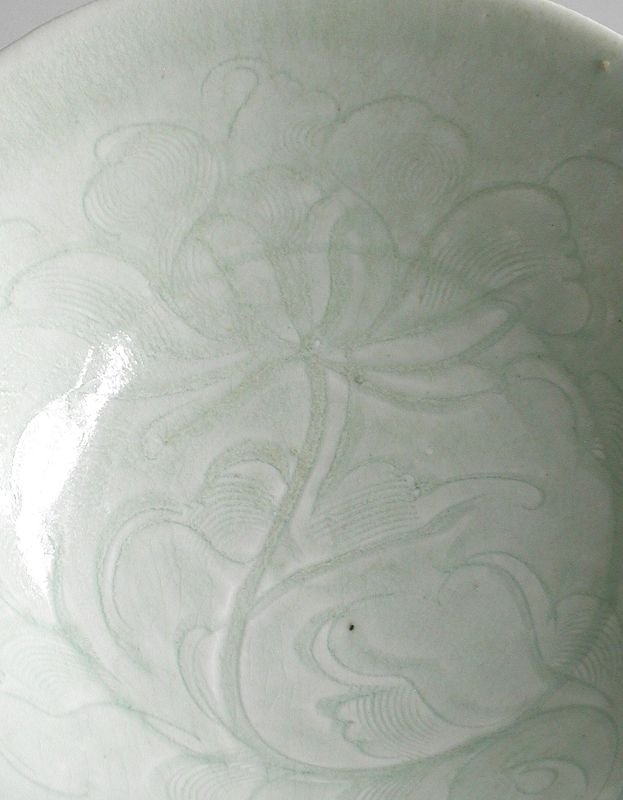
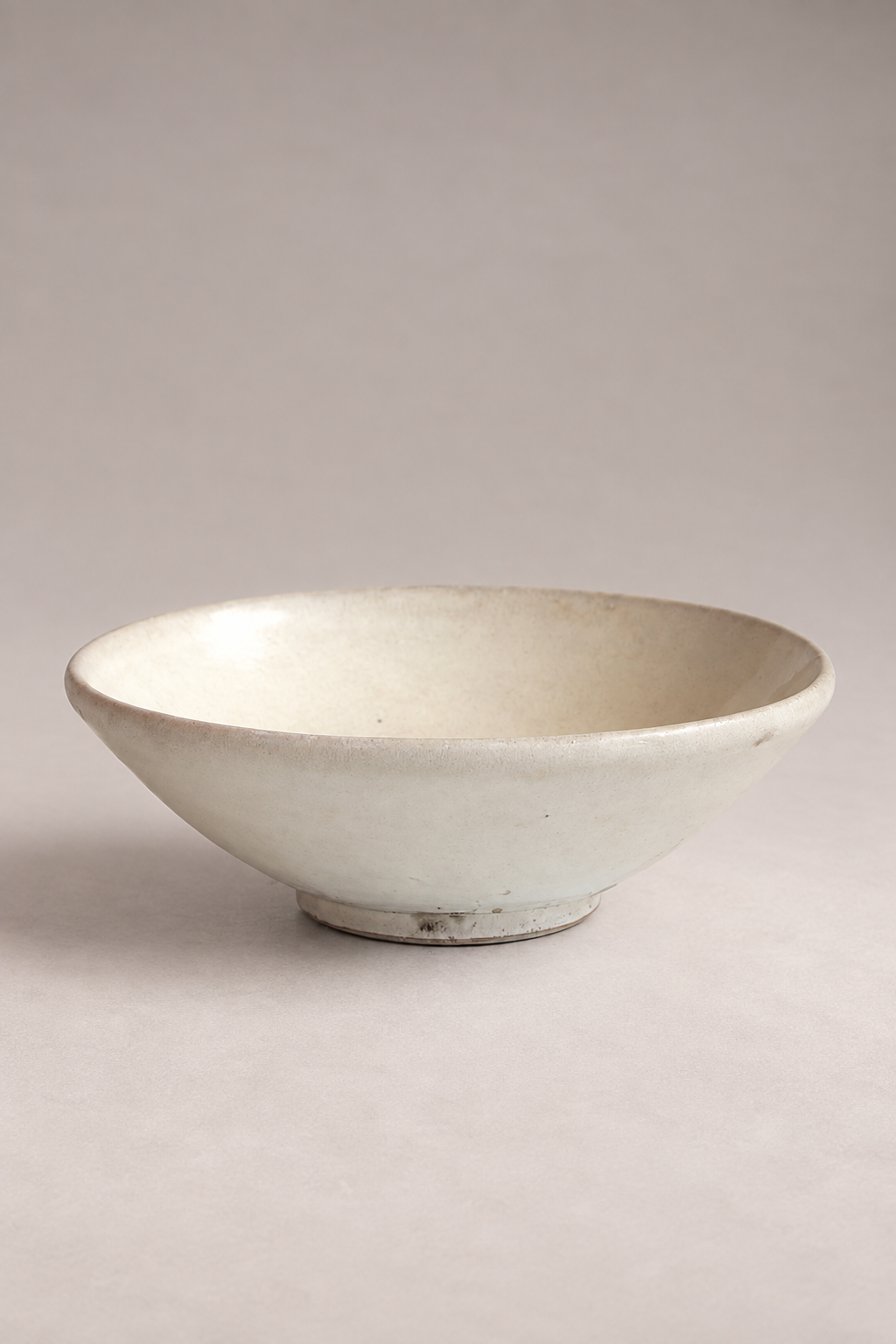
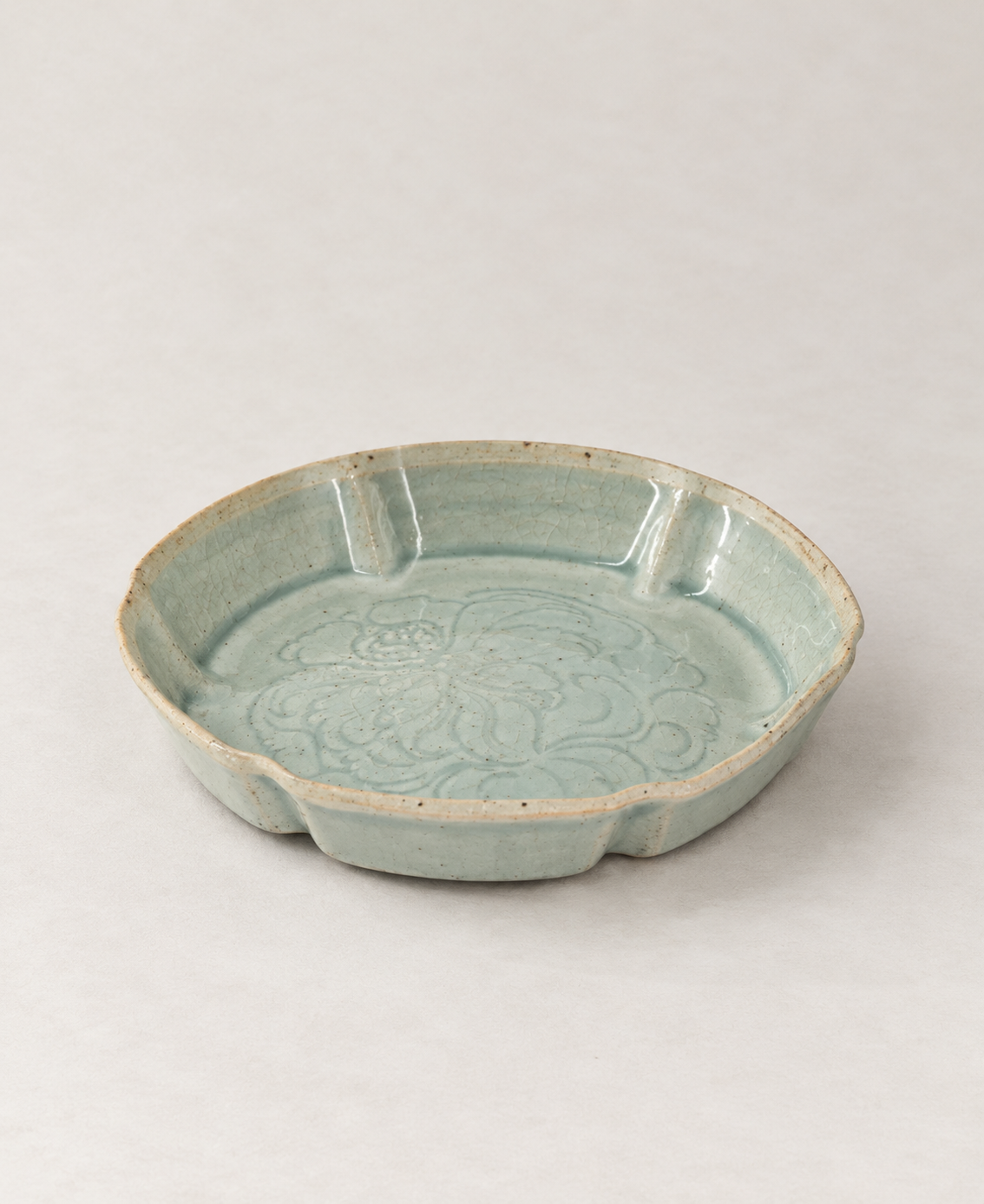
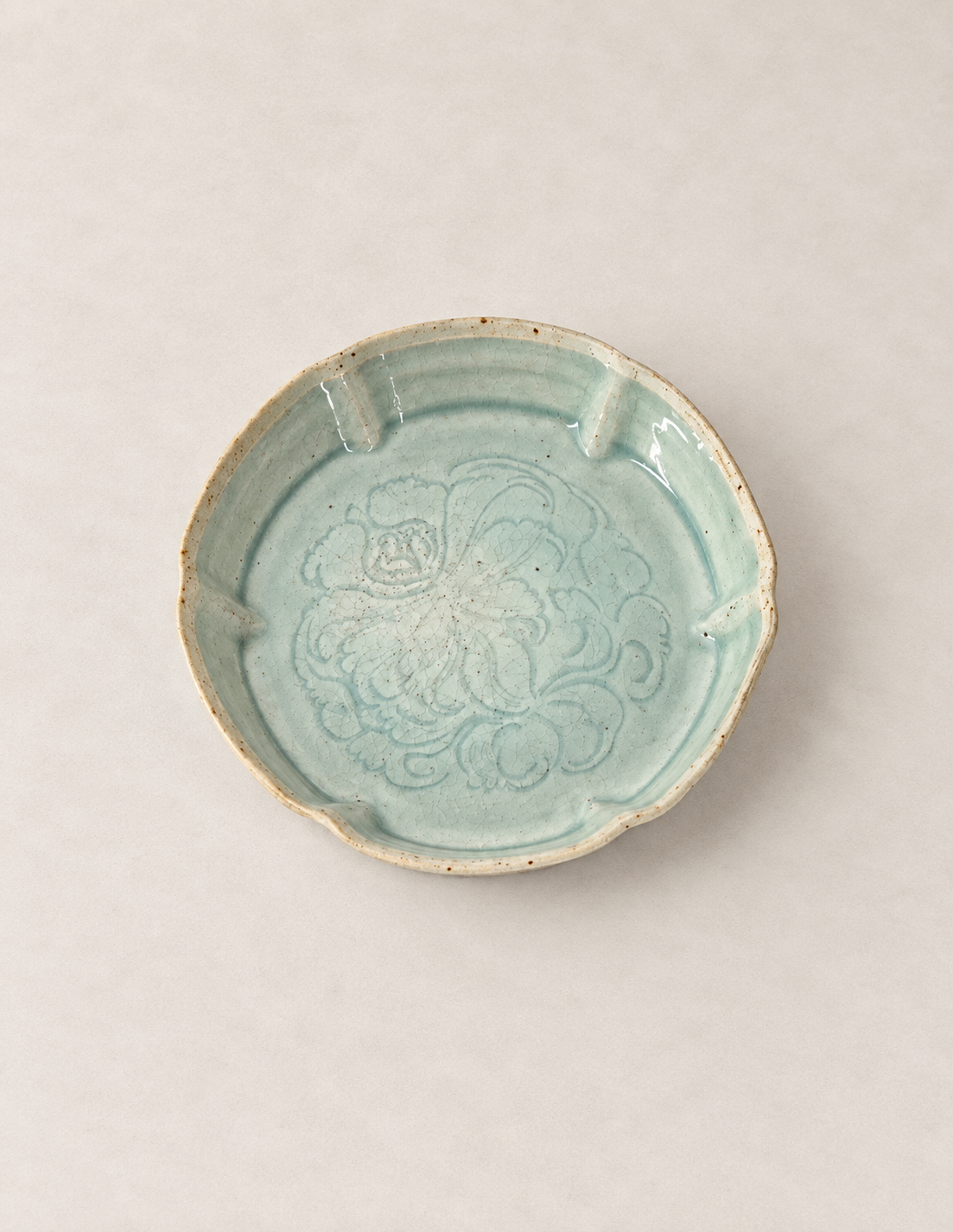
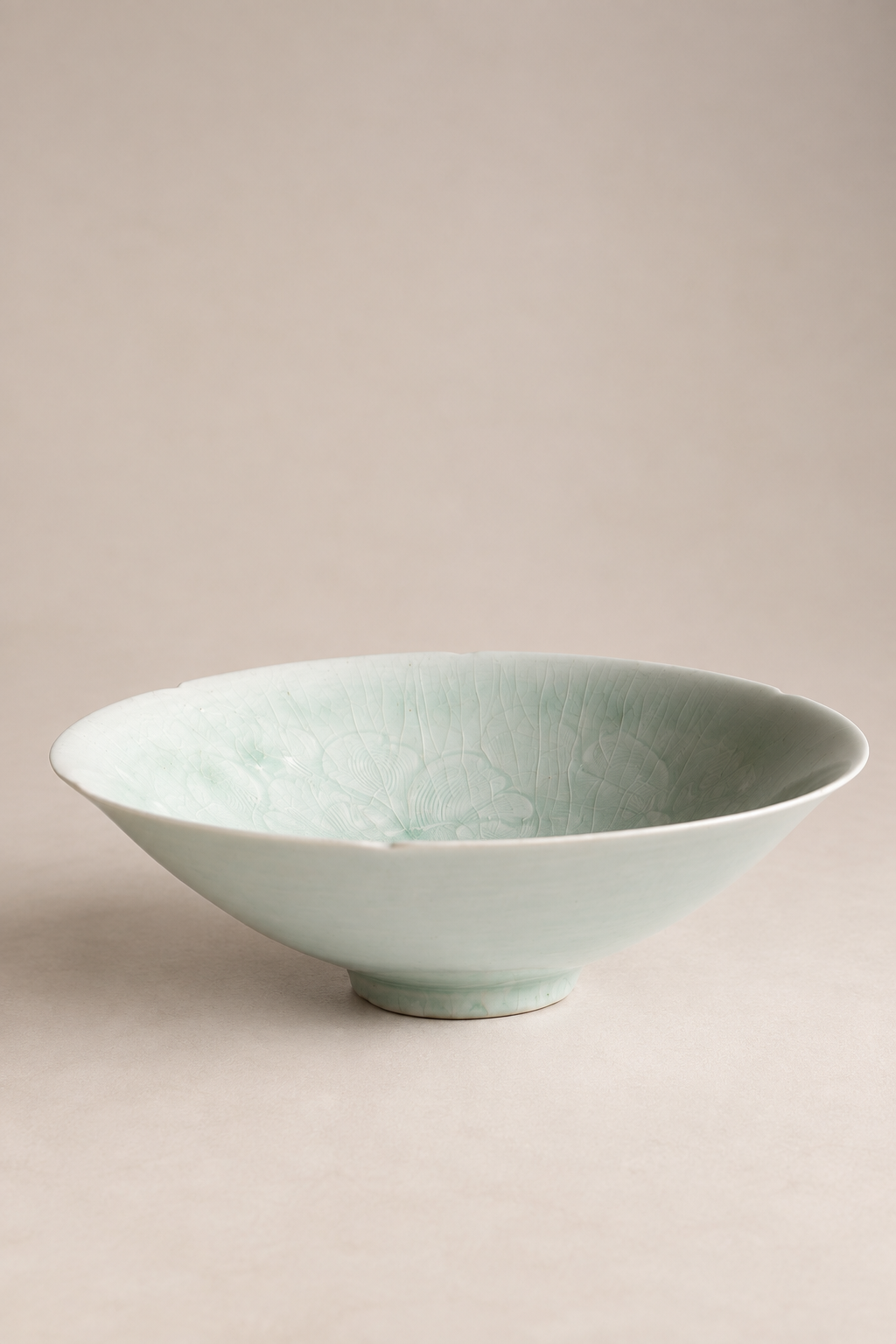
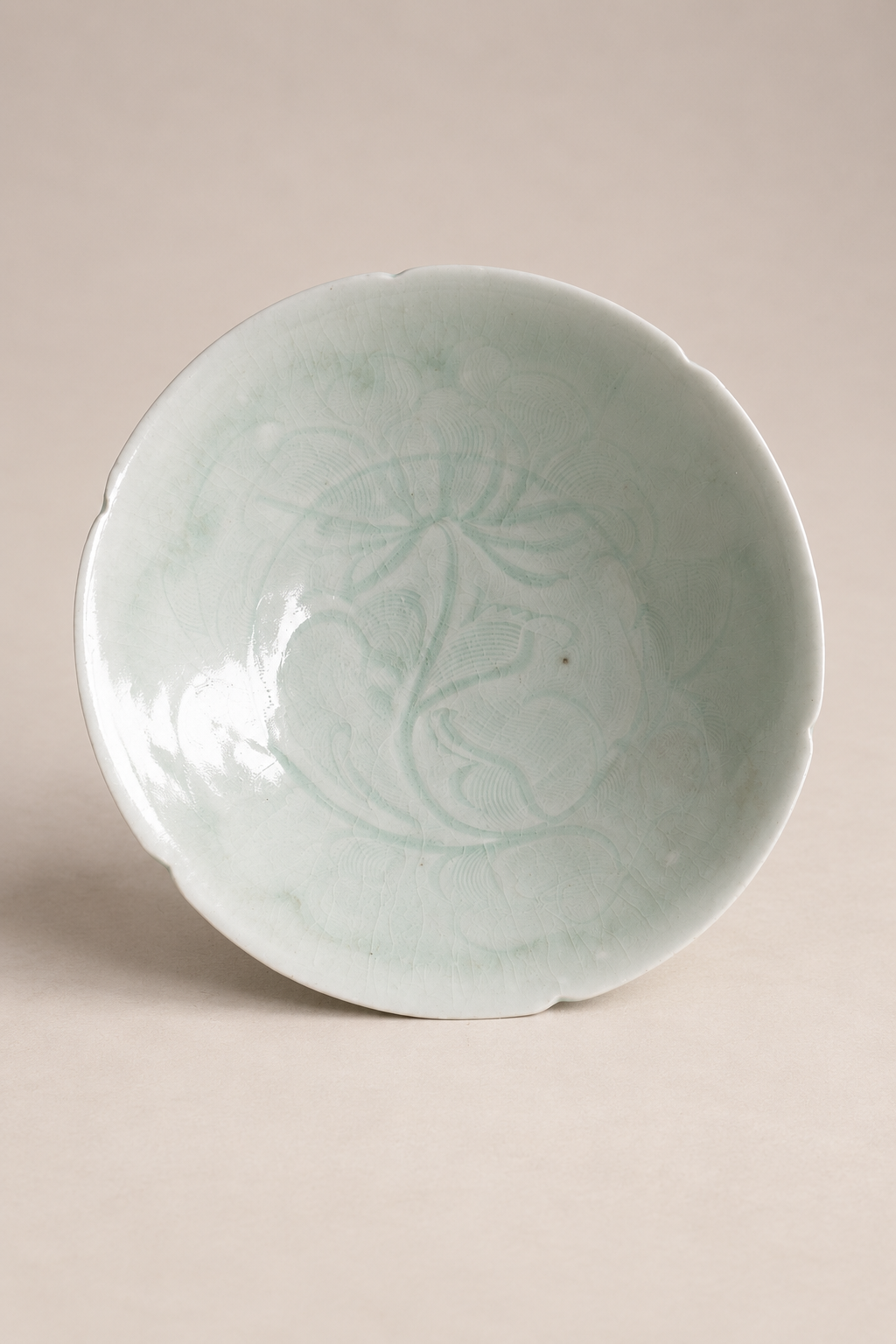
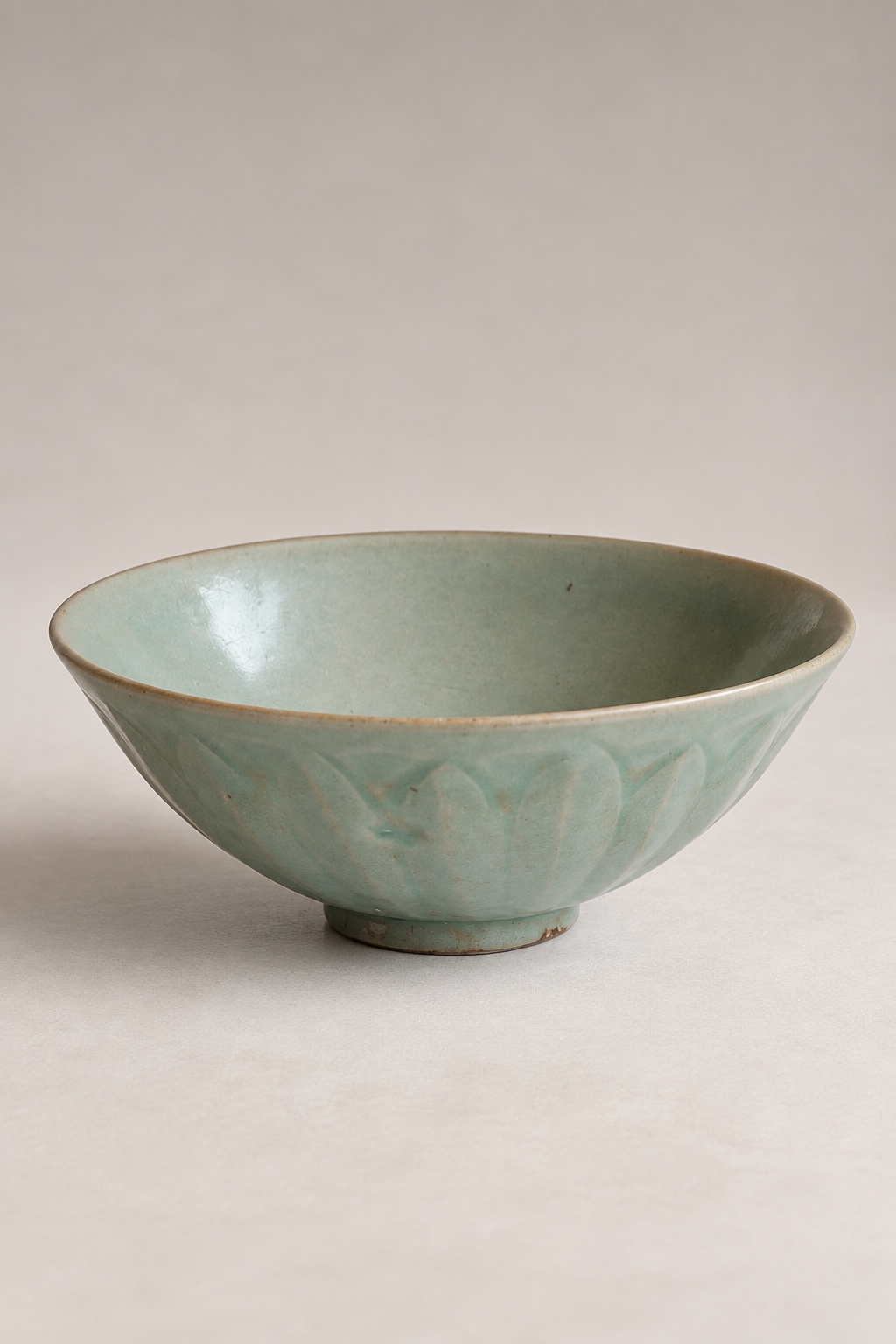
A finely potted Longquan celadon bowl of deep rounded form, rising from a short circular foot and covered in a soft bluish-green glaze. The exterior is moulded and carved with a continuous band of overlapping upright lotus petals, their gently raised ribs lending the bowl a restrained but distinctly sculptural character.
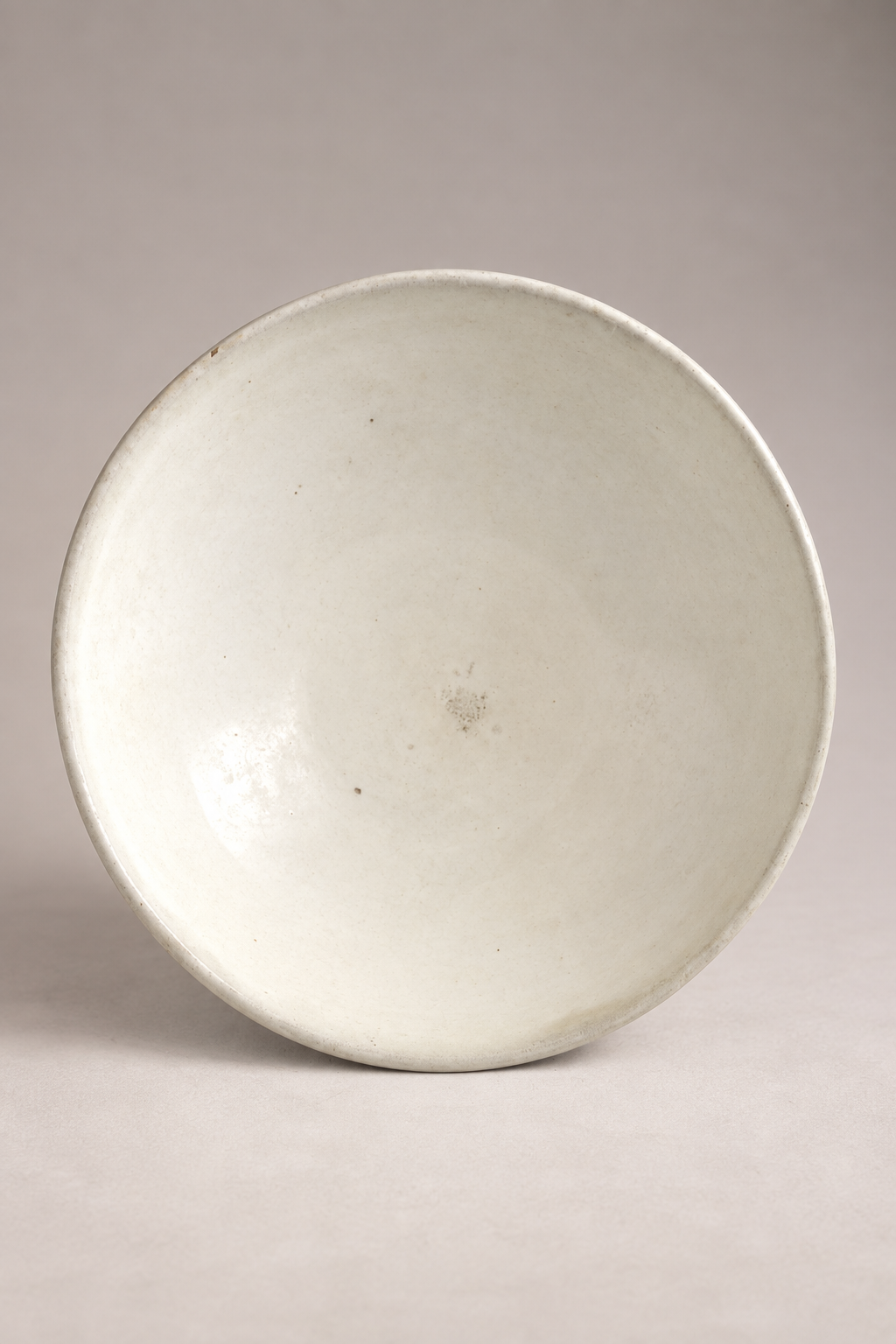
The interior is left undecorated, allowing the purity of the form and the translucent celadon glaze to take prominence. Subtle variations in the glaze range from pale sea-green to slightly deeper blue-green tones, particularly where the glaze gathers around the carved decoration.
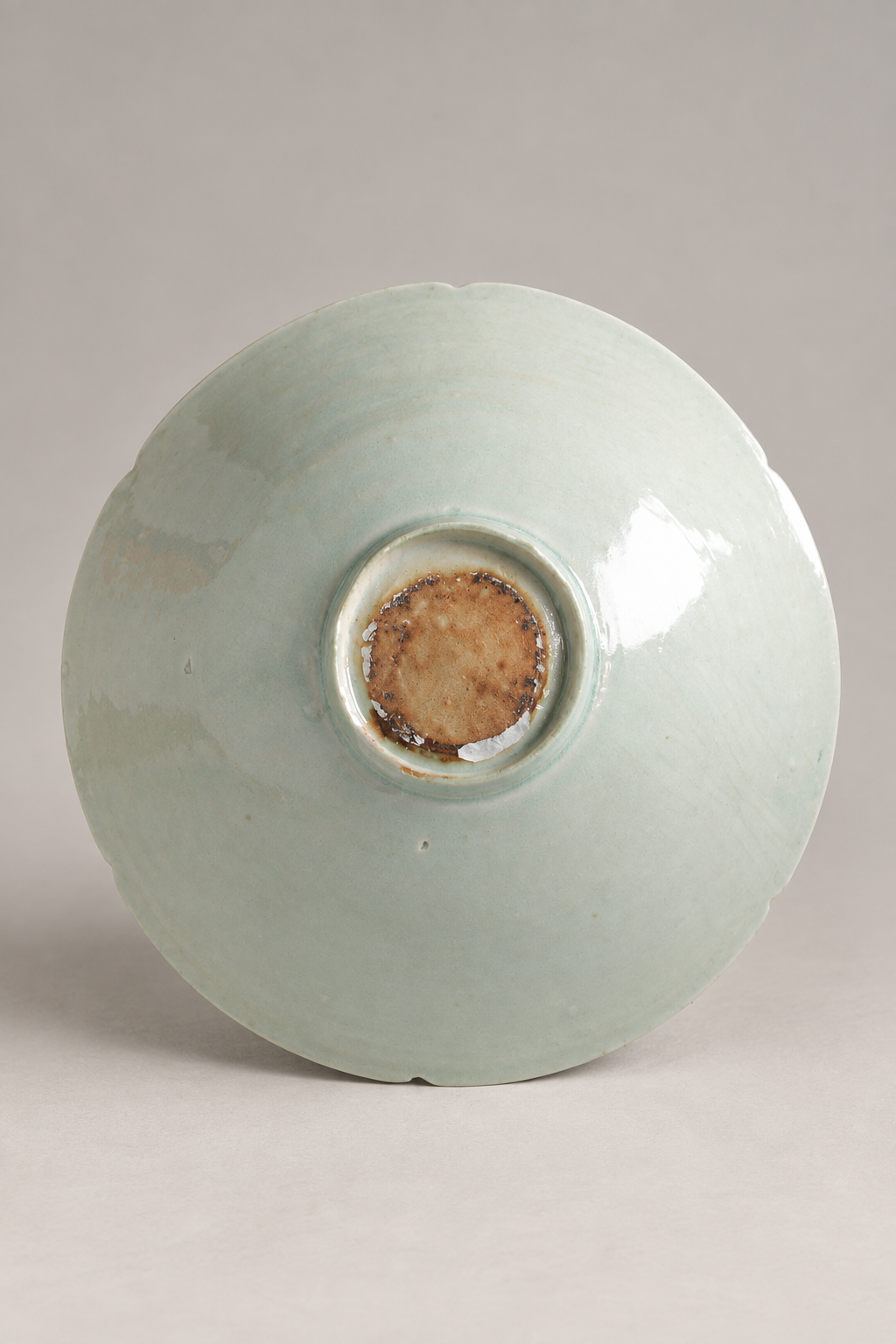
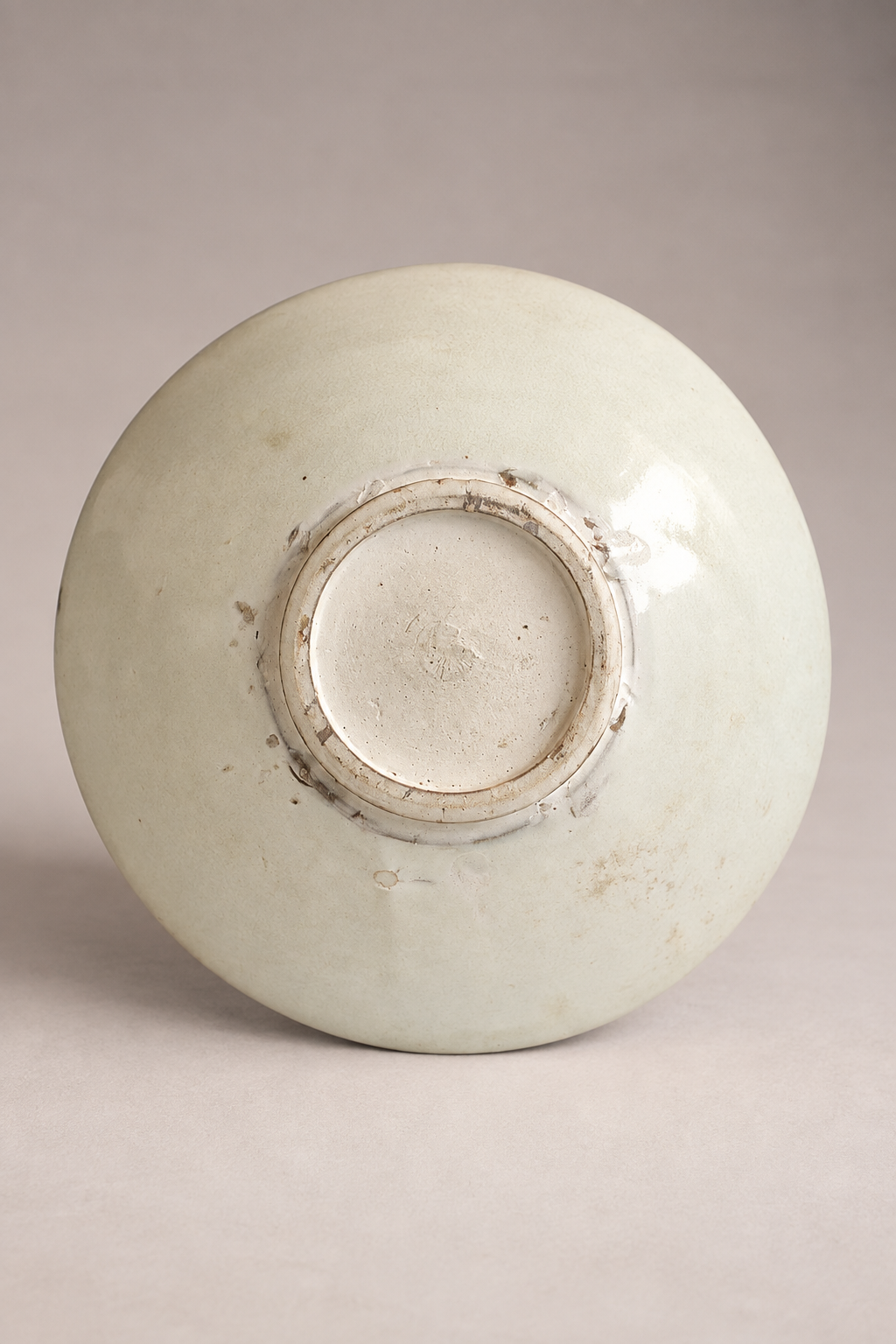
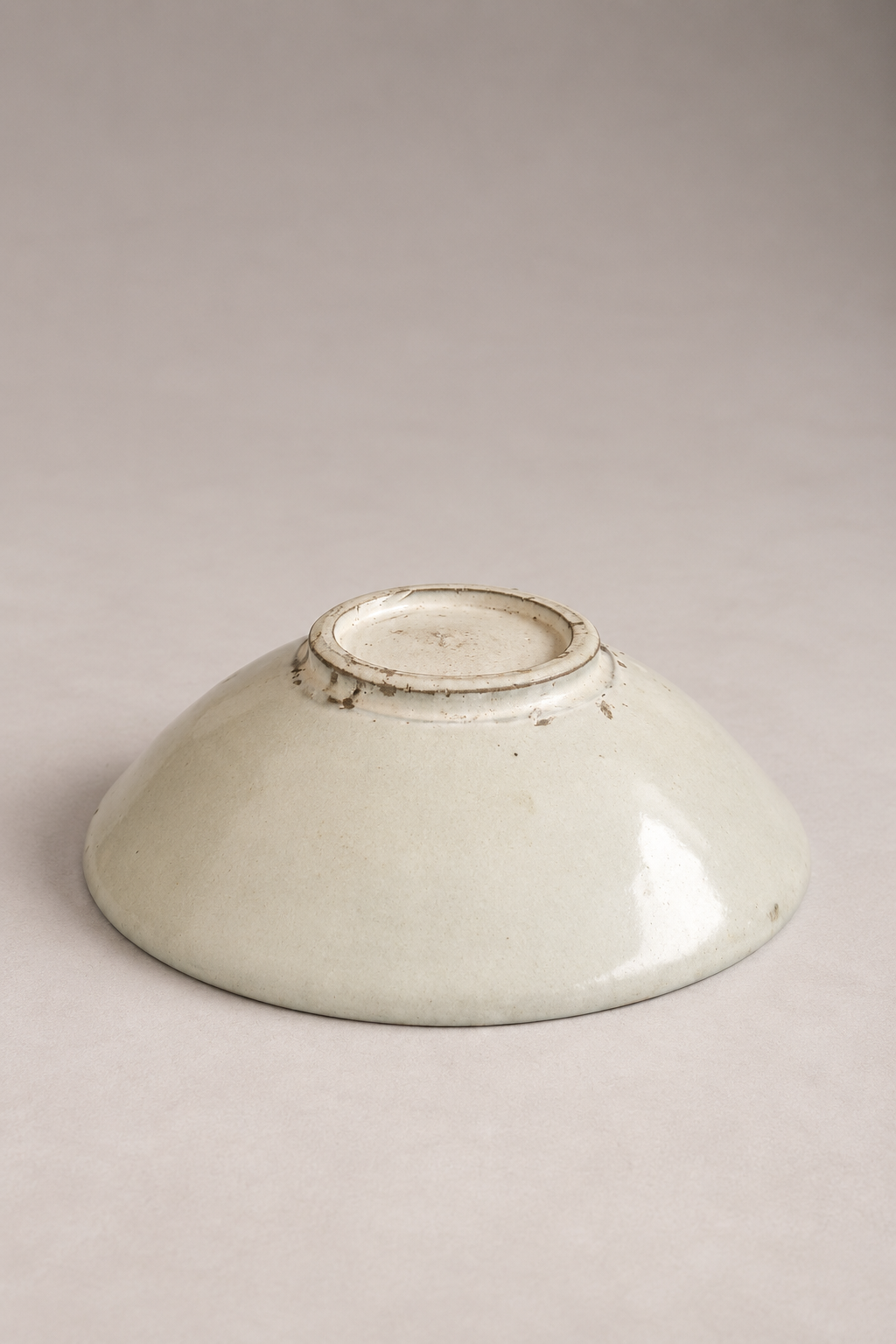
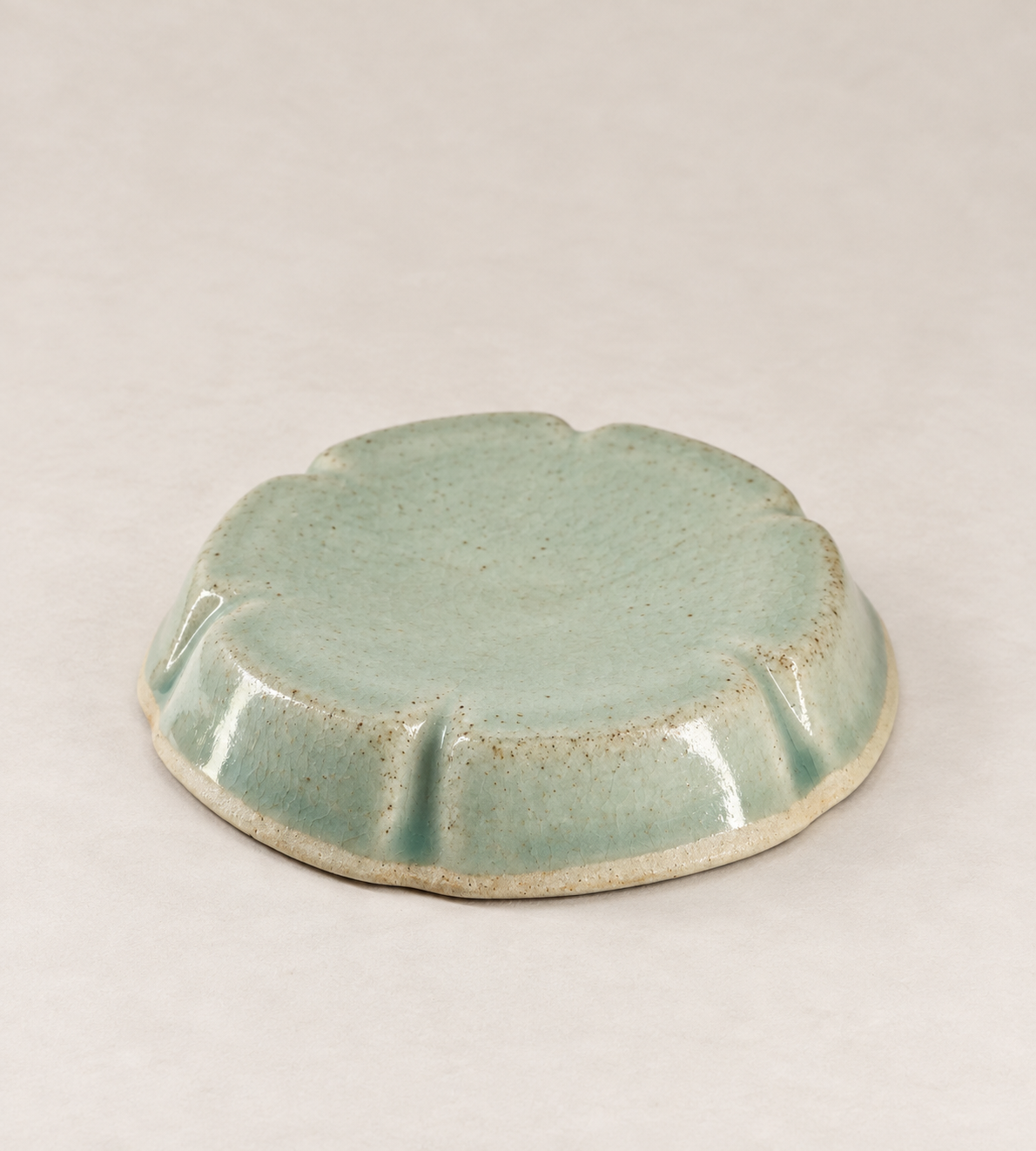
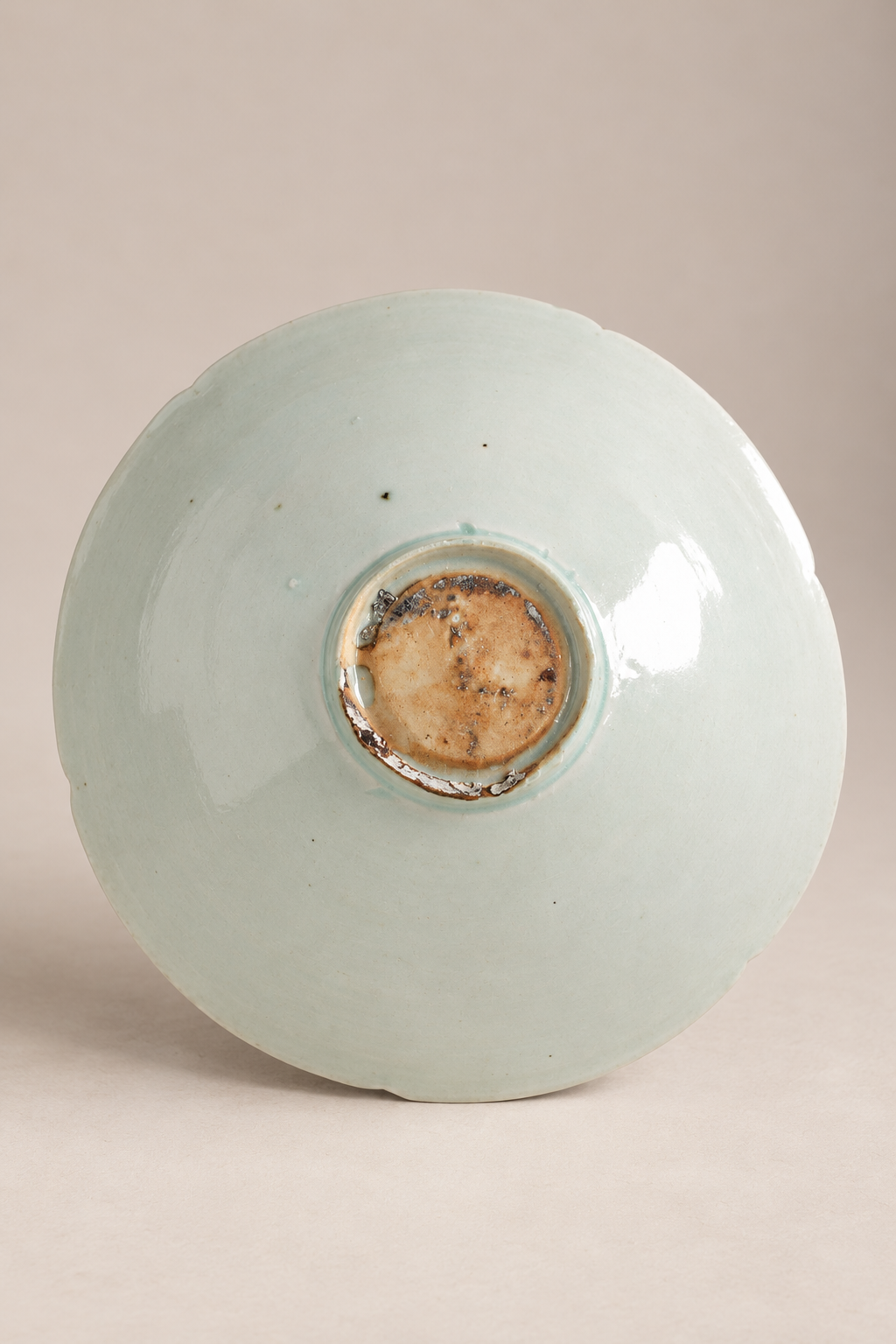
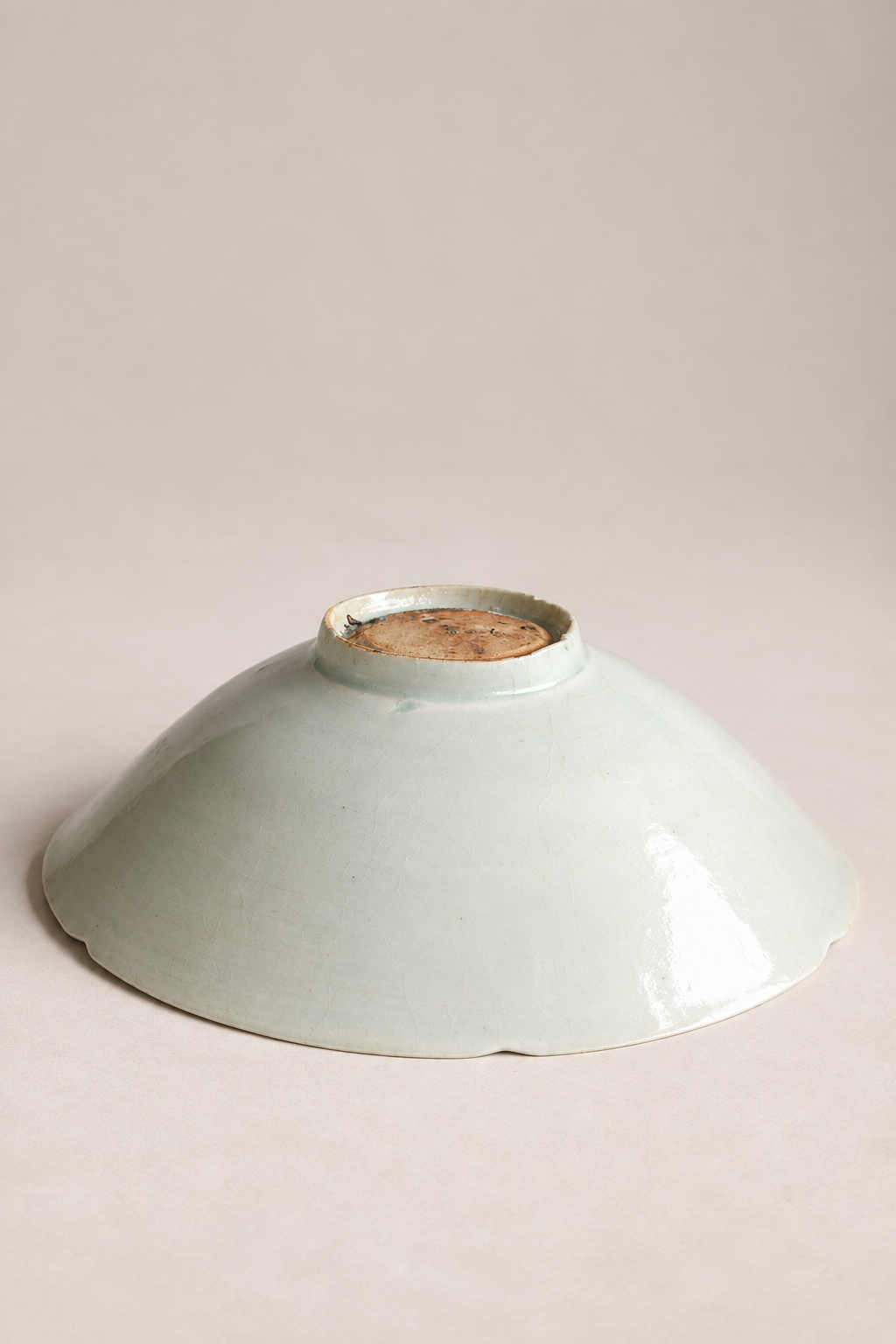
The lotus-petal treatment continues towards the foot, while the underside reveals areas of reddish-brown stoneware body where the glaze has receded around the footring. The contrast between the cool celadon glaze and the exposed iron-rich body is characteristic of Longquan wares of the Song–Yuan period.
The lotus was one of the most enduring motifs in Chinese decorative art, associated with purity and refinement. Here, its simplified treatment complements the quiet elegance of the glaze and form, reflecting the restrained aesthetic for which Longquan celadon became celebrated.
Measuring 17 cm (6.5 inches) in diameter, the bowl is a particularly attractive example and remains in fine condition. It produces a clear, high-pitched ring when lightly tapped, with no restoration or repair.
Provenance:
The Collection of Sam and Myrna Myers, Paris, assembled between 1965 and 2012. The American collectors lived in Paris and formed an important collection of Asian art over several decades. Highlights from their collection were sold at Sotheby’s, London, in 2021.
Song–Yuan Dynasty, 13th–14th century
Diameter: 17 cm (6.5 in.)
A finely potted Longquan celadon bowl of deep rounded form, rising from a short circular foot and covered in a soft bluish-green glaze. The exterior is moulded and carved with a continuous band of overlapping upright lotus petals, their gently raised ribs lending the bowl a restrained but distinctly sculptural character.
The interior is left undecorated, allowing the purity of the form and the translucent celadon glaze to take prominence. Subtle variations in the glaze range from pale sea-green to slightly deeper blue-green tones, particularly where the glaze gathers around the carved decoration.
The lotus-petal treatment continues towards the foot, while the underside reveals areas of reddish-brown stoneware body where the glaze has receded around the footring. The contrast between the cool celadon glaze and the exposed iron-rich body is characteristic of Longquan wares of the Song–Yuan period.
The lotus was one of the most enduring motifs in Chinese decorative art, associated with purity and refinement. Here, its simplified treatment complements the quiet elegance of the glaze and form, reflecting the restrained aesthetic for which Longquan celadon became celebrated.
Measuring 17 cm (6.5 inches) in diameter, the bowl is a particularly attractive example and remains in fine condition. It produces a clear, high-pitched ring when lightly tapped, with no restoration or repair.
Provenance:
The Collection of Sam and Myrna Myers, Paris, assembled between 1965 and 2012. The American collectors lived in Paris and formed an important collection of Asian art over several decades. Highlights from their collection were sold at Sotheby’s, London, in 2021.