 Image 1 of 3
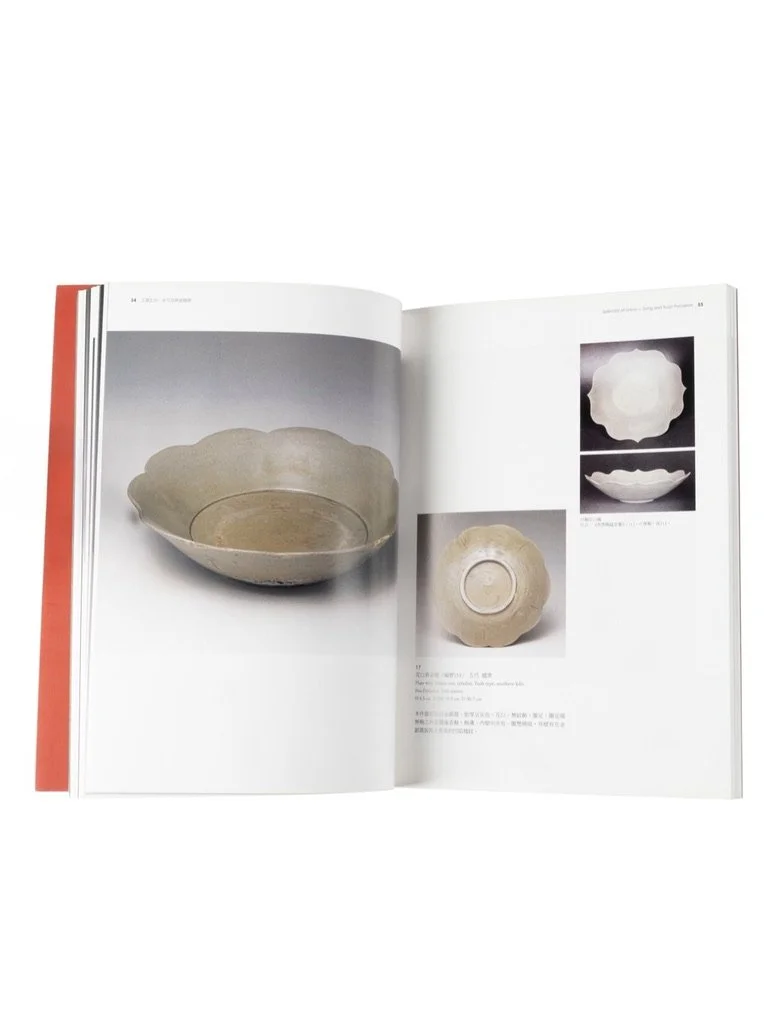 Image 2 of 3
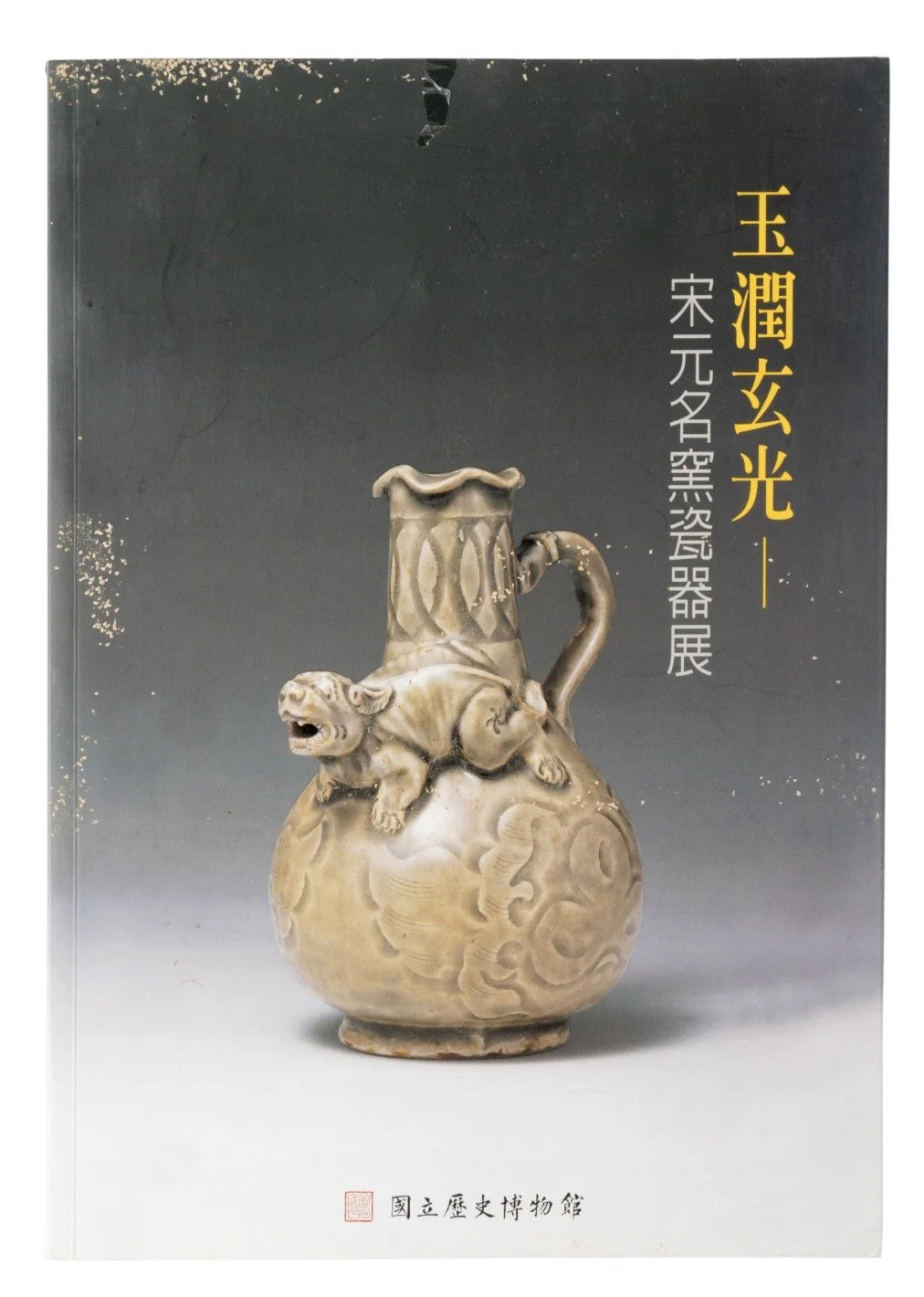 Image 3 of 3
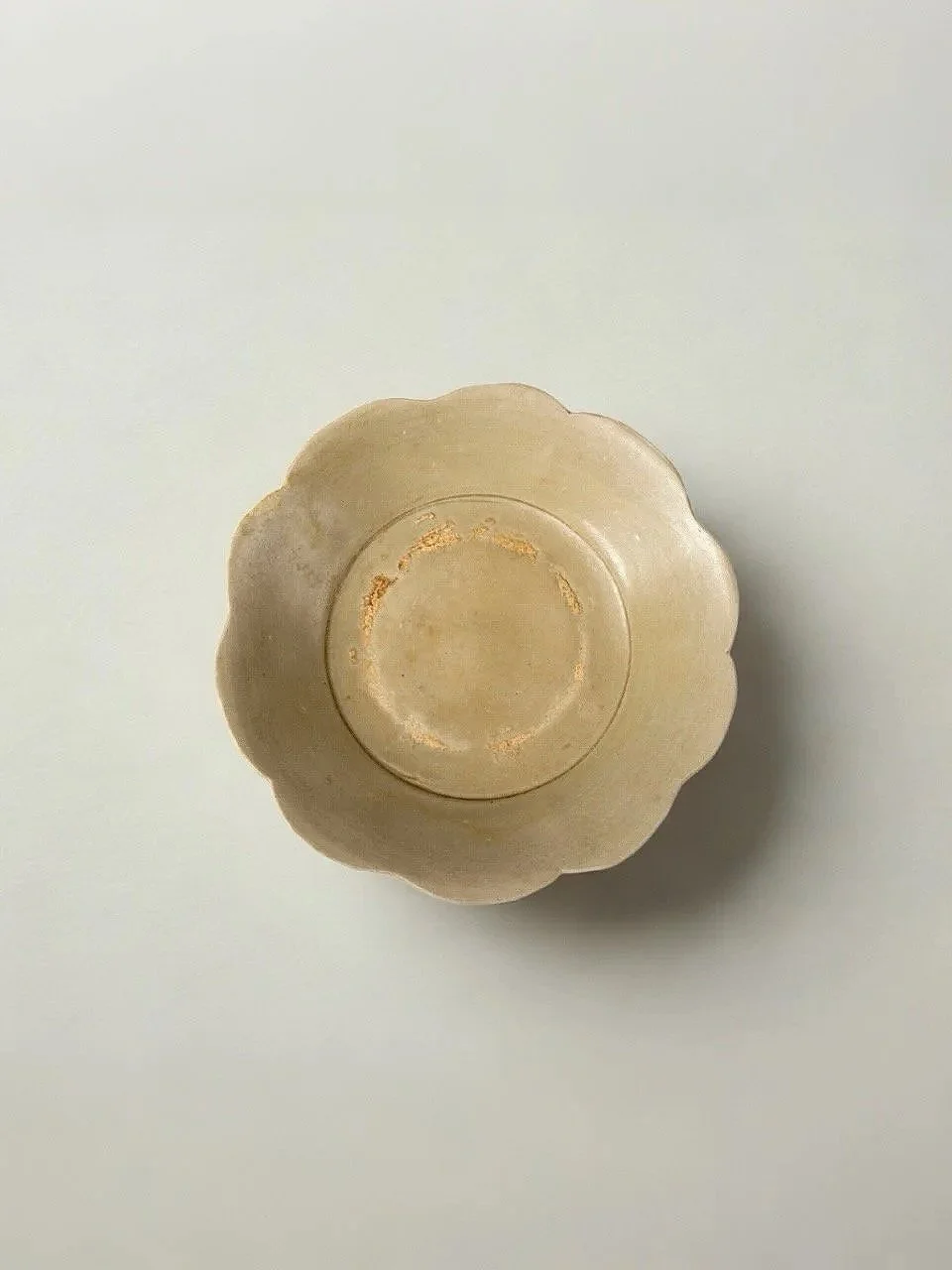
This elegant Yue ware foliate dish is a refined example of celadon production from the Five Dynasties period, a time when Yue kilns of Zhejiang province produced some of the most admired green-glazed ceramics in China. The dish is delicately potted with softly lobed foliate sides, its restrained form embodying the understated aesthetic associated with early Yue celadon.
Covered in a smooth olive-green glaze of gentle, jade-like tone, the surface possesses the quiet luminosity and subtle refinement that made Yue wares highly prized during the late Tang and Five Dynasties periods. The thinly applied glaze reveals the fine pale body beneath in places around the foot rim, while the softly undulating floral outline lends the vessel an elegant sculptural rhythm.
The simplicity of the form, combined with the purity of glaze and proportion, reflects the sophisticated ceramic ideals that would profoundly influence later Song dynasty aesthetics. Yue celadons of this type were celebrated for their restrained beauty and technical precision, representing an important stage in the development of monochrome Chinese ceramics.
Diameter: 16 cm.
Provenance:
Private Taiwanese collection.
Exhibited:
Splendor of China – Song and Yuan Porcelain, National Museum of History, Taipei, 2008.
Published:
Cheng Qiren, Splendor of China – Song and Yuan Porcelain, Taipei: National Museum of History, 2008, catalogue no. 17, exhibition no. 153, pp. 54–55.
This elegant Yue ware foliate dish is a refined example of celadon production from the Five Dynasties period, a time when Yue kilns of Zhejiang province produced some of the most admired green-glazed ceramics in China. The dish is delicately potted with softly lobed foliate sides, its restrained form embodying the understated aesthetic associated with early Yue celadon.
Covered in a smooth olive-green glaze of gentle, jade-like tone, the surface possesses the quiet luminosity and subtle refinement that made Yue wares highly prized during the late Tang and Five Dynasties periods. The thinly applied glaze reveals the fine pale body beneath in places around the foot rim, while the softly undulating floral outline lends the vessel an elegant sculptural rhythm.
The simplicity of the form, combined with the purity of glaze and proportion, reflects the sophisticated ceramic ideals that would profoundly influence later Song dynasty aesthetics. Yue celadons of this type were celebrated for their restrained beauty and technical precision, representing an important stage in the development of monochrome Chinese ceramics.
Diameter: 16 cm.
Provenance:
Private Taiwanese collection.
Exhibited:
Splendor of China – Song and Yuan Porcelain, National Museum of History, Taipei, 2008.
Published:
Cheng Qiren, Splendor of China – Song and Yuan Porcelain, Taipei: National Museum of History, 2008, catalogue no. 17, exhibition no. 153, pp. 54–55.